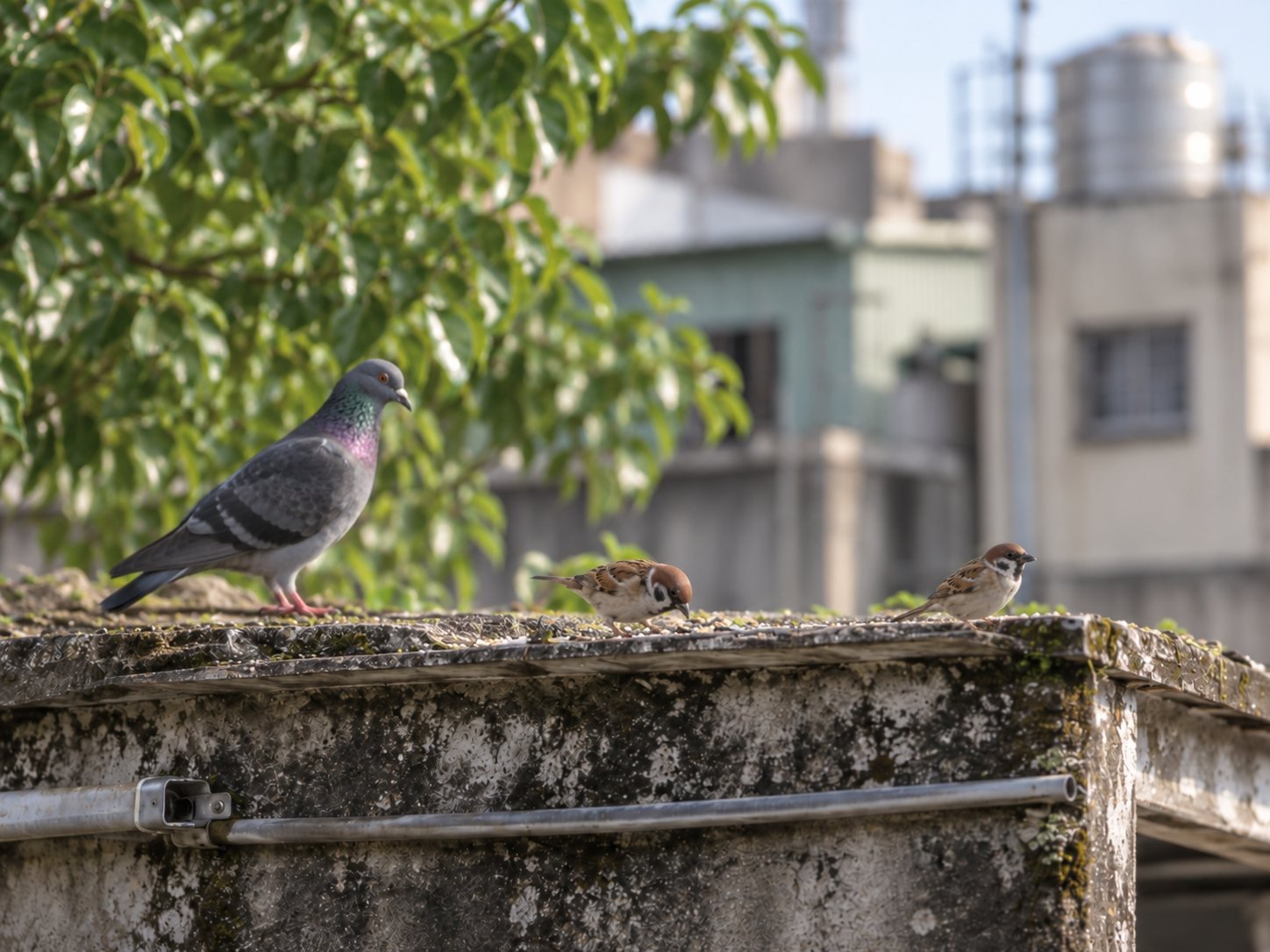
Rock PigeonLength 30–35 cm|Wingspan 60–70 cm|Weight 200–400 g
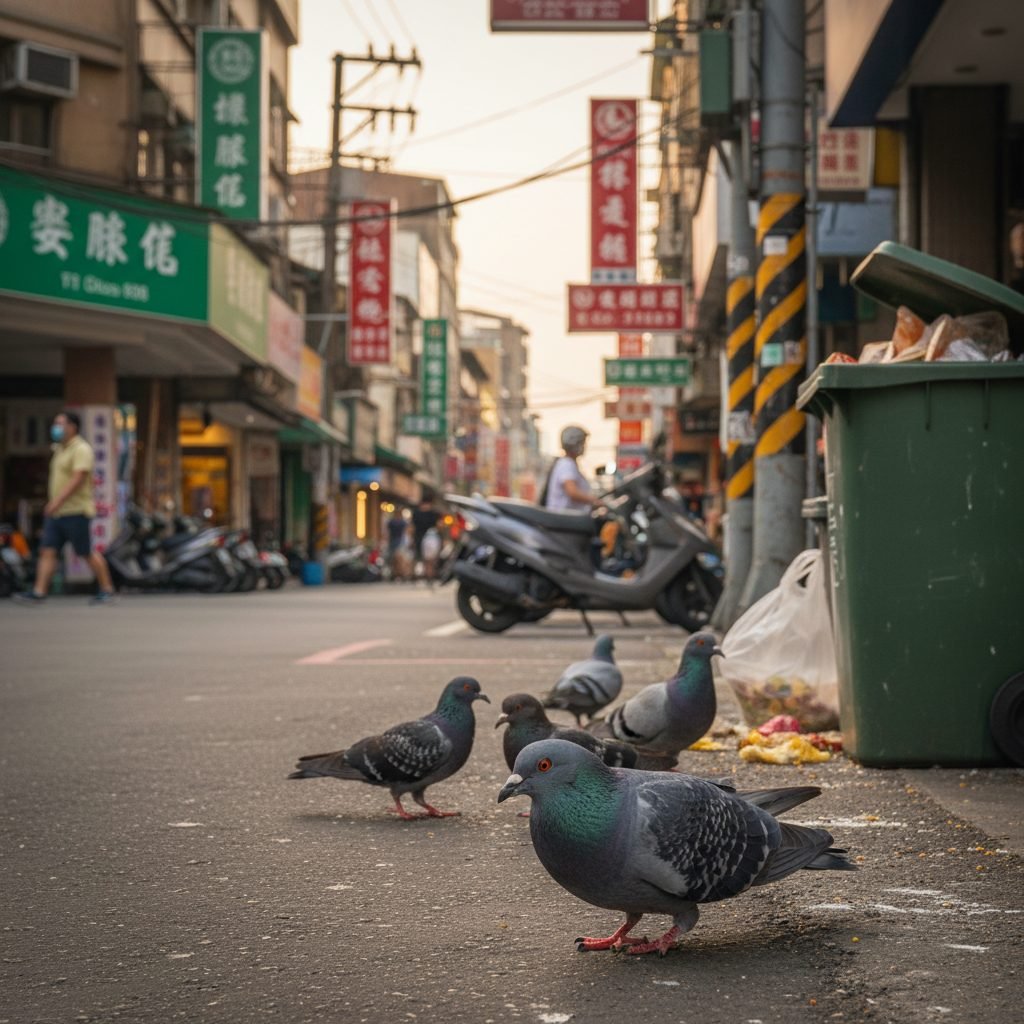
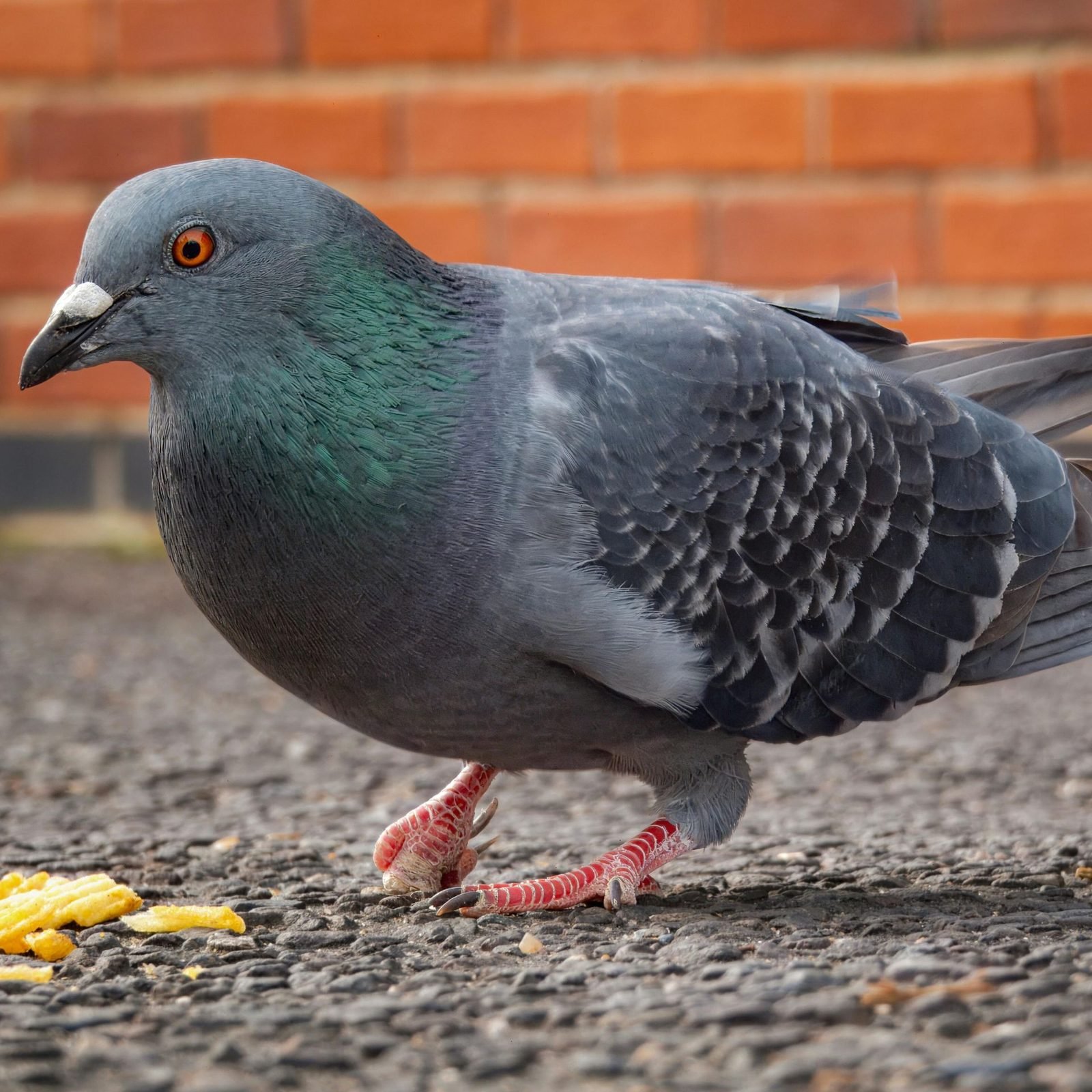
Grey plumage with a green-violet sheen on the neck; thoroughly adapted to cities.
Droppings foul buildings and may spread pigeon mites and chlamydia; a public-health concern.
Mesh size follows the target species. Seven birds commonly seen in Taiwan, with length, wingspan, weight, behaviour and the problems they cause.
Mesh size for bird netting is normally chosen from the size of the target species. The following seven are the ones most often encountered in Taiwan.
Grey plumage with a green-violet sheen on the neck; thoroughly adapted to cities.
Droppings foul buildings and may spread pigeon mites and chlamydia; a public-health concern.
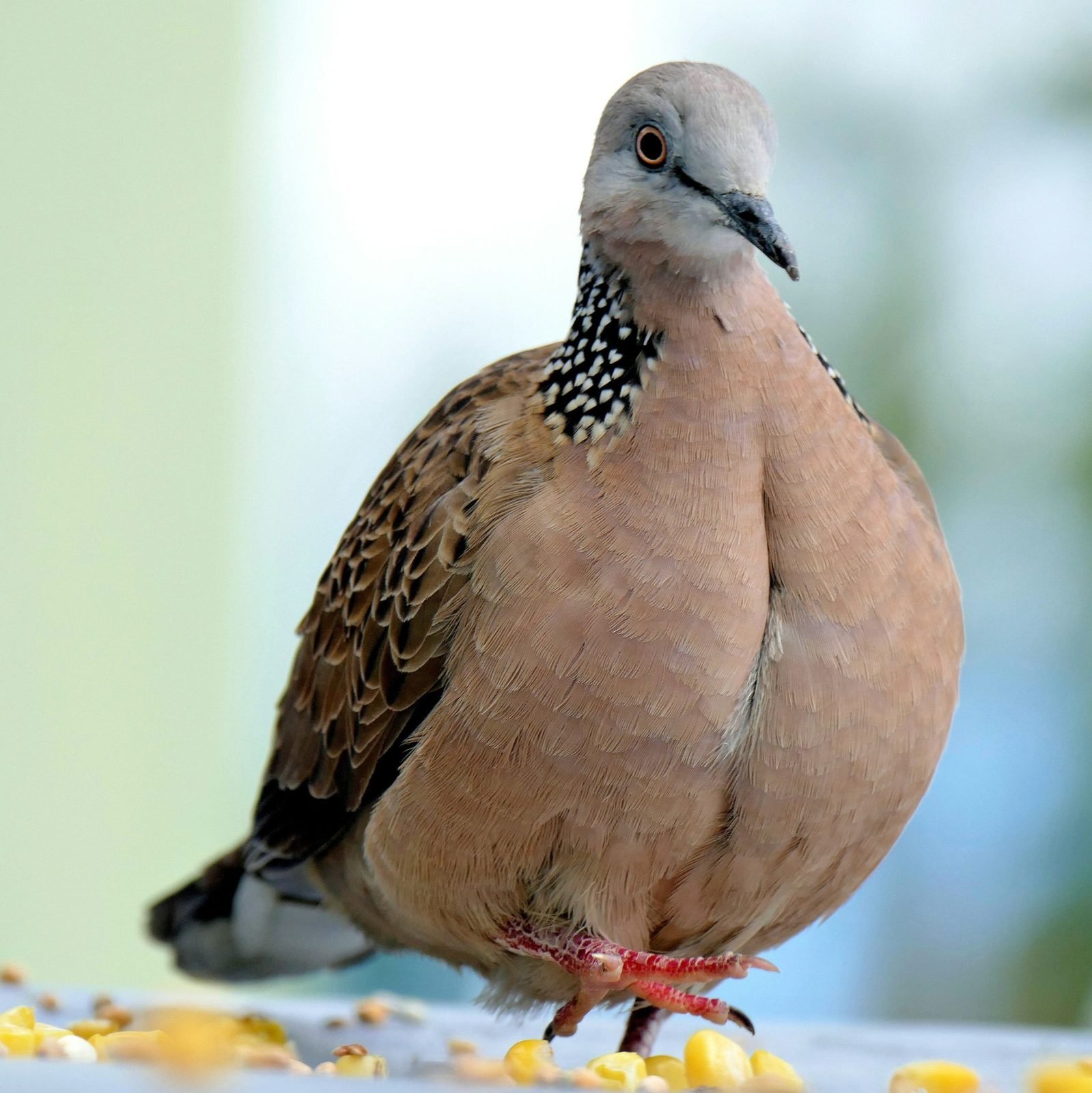
Greyish-brown with a black-and-white spotted collar; lives close to people.
Droppings foul buildings; nests block drainage outlets; may carry parasites.
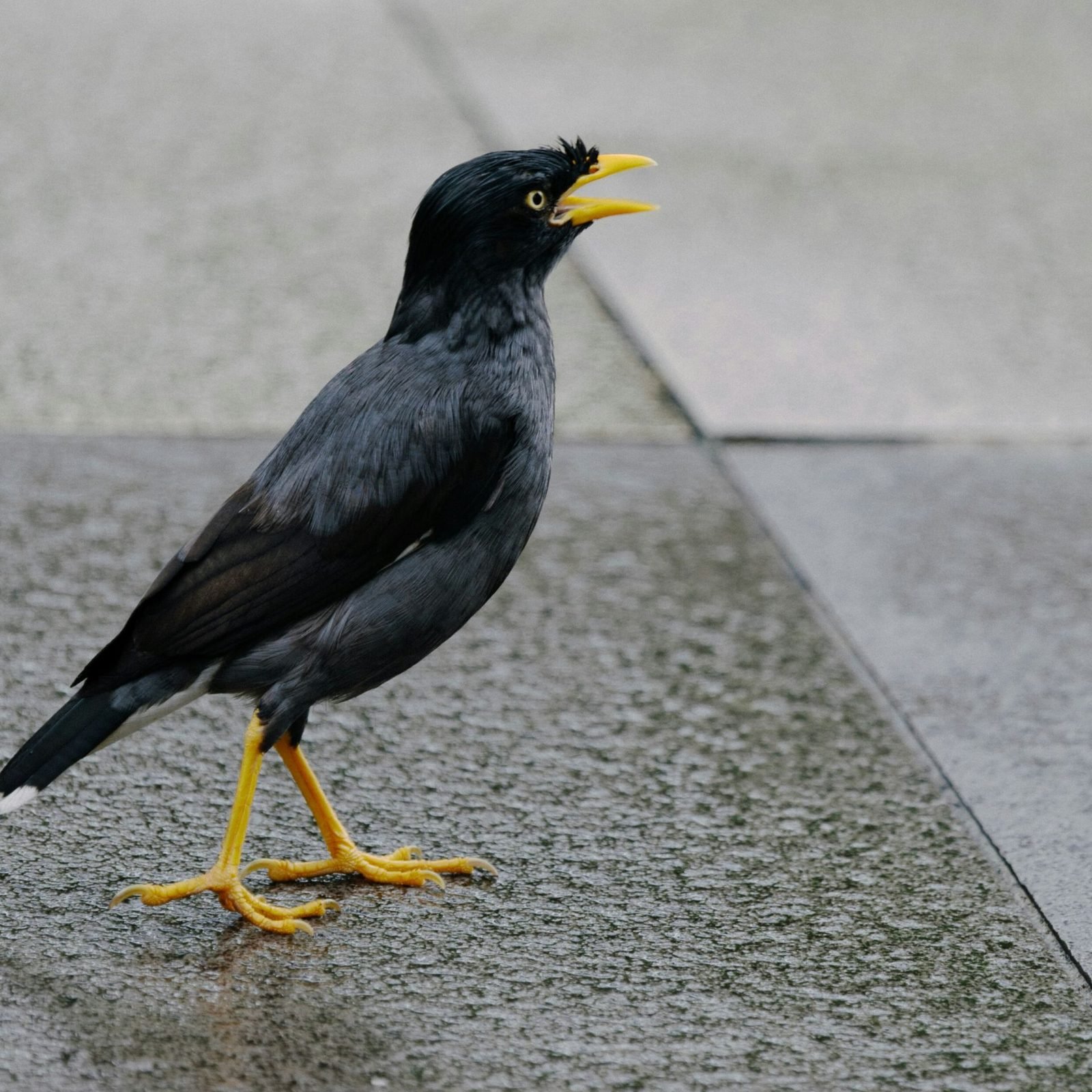
Black plumage with a yellow eye-ring; a good mimic, and aggressive.
Noisy flocks, competition with native birds, droppings.
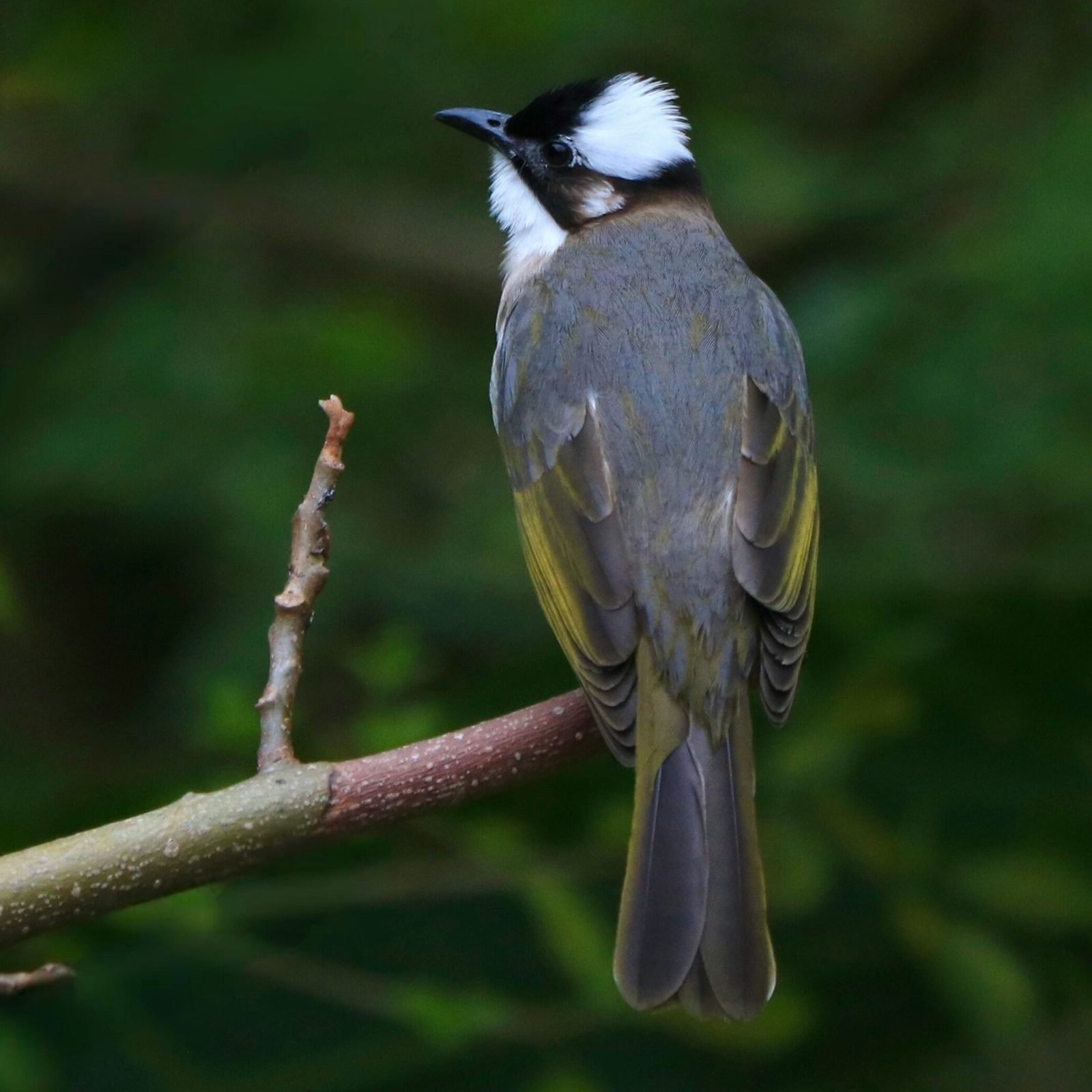
Distinctive white crown patch; fond of fruit, with a loud call.
Pecks fruit crops and reduces yields.
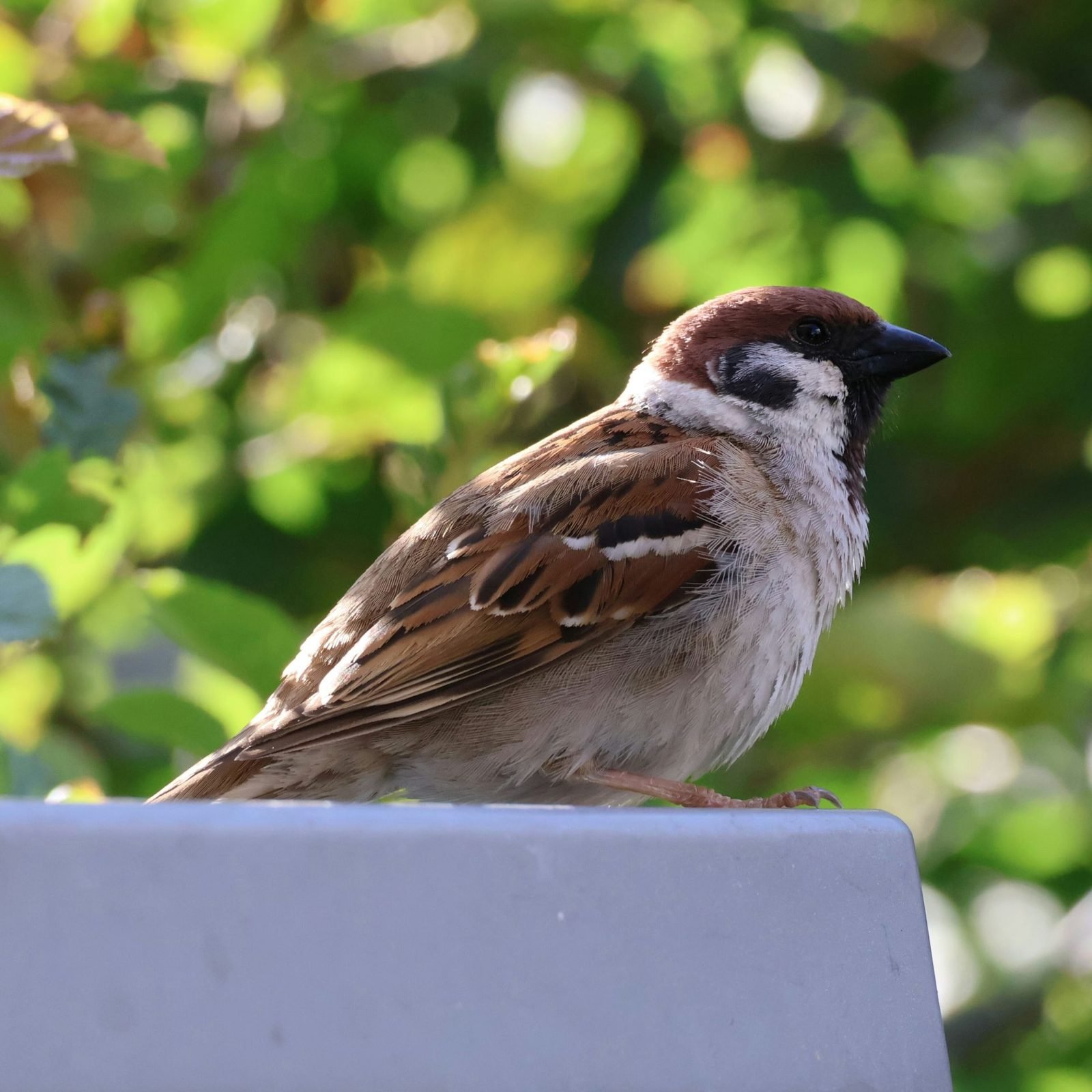
Small and brown, breeds readily and adapts to almost anywhere.
Eats grain; fouls granaries and food-processing plants.
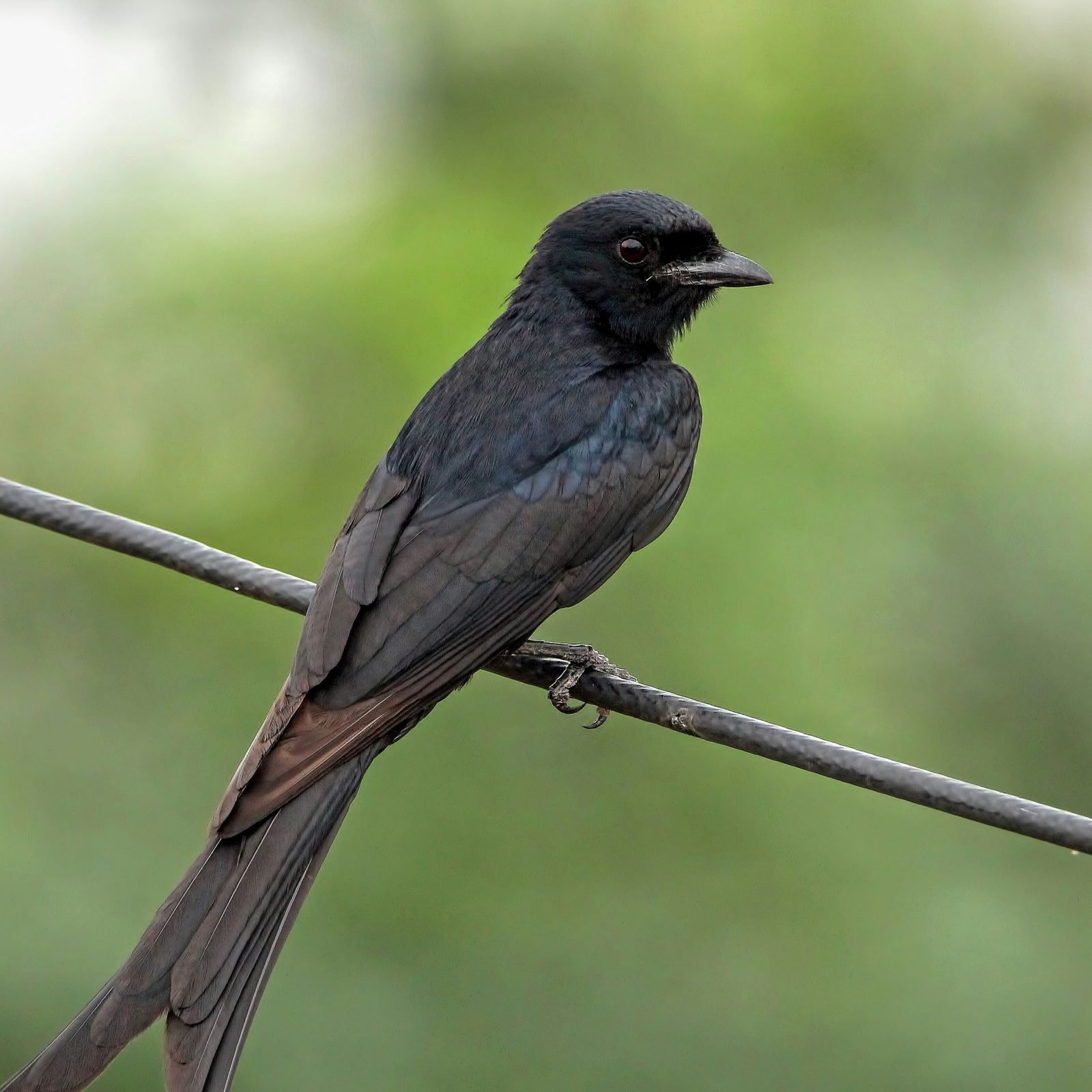
All black with a forked tail; highly territorial and will attack other birds.
Disrupts other bird populations; a threat to orchards.
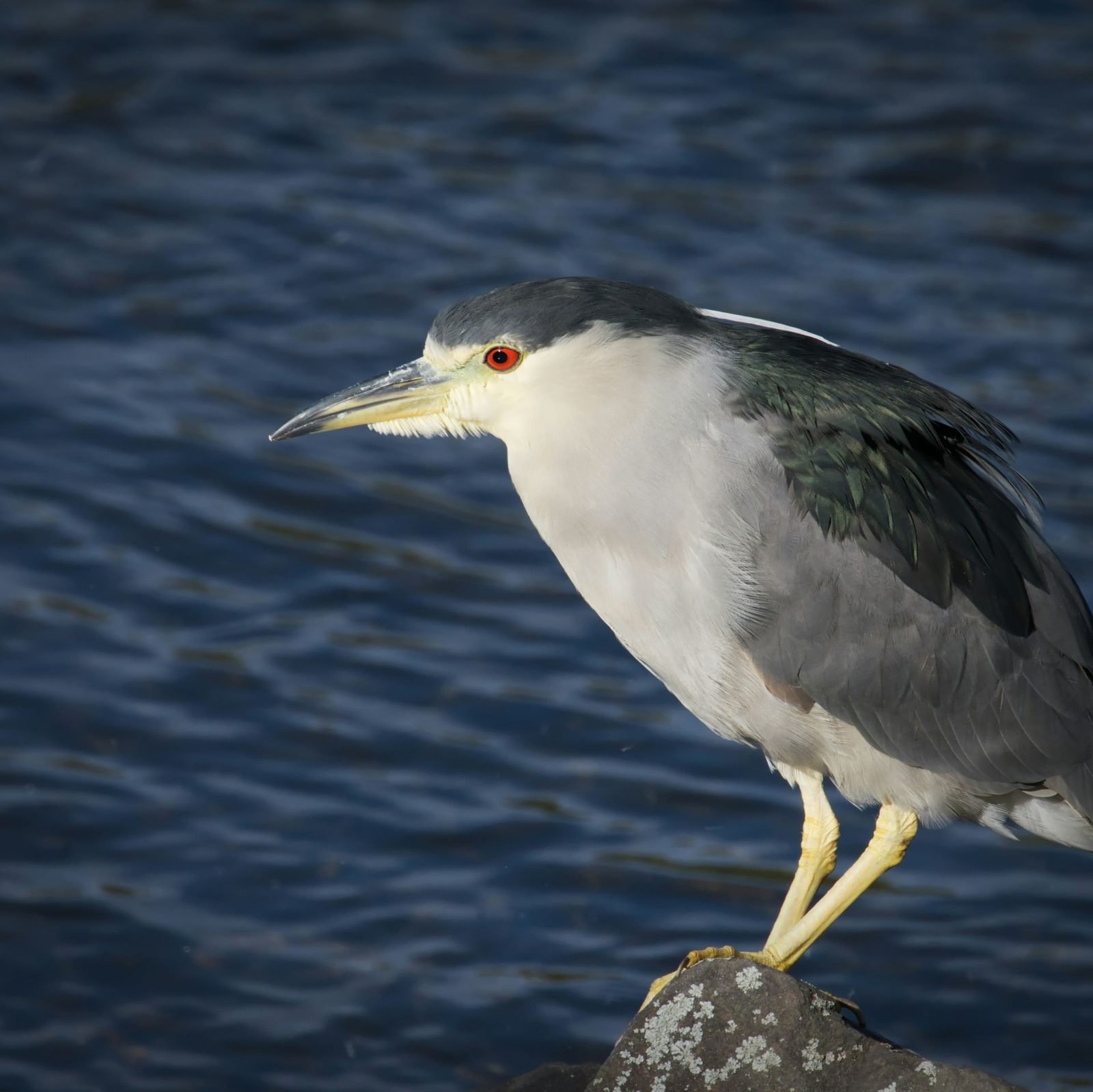
Grey-black plumage, active at night, common around water and fish ponds.
Takes fingerlings and affects aquaculture yields.
HDPE is the recommended material. Mesh size follows the size of the target species:
| Size class | Typical species | Recommended mesh |
|---|---|---|
| Small birds | Sparrow, bulbul | 1.5 cm × 1.5 cm to 2 cm × 2 cm |
| Medium birds | Myna, drongo, dove | 3 cm × 3 cm to 4 cm × 4 cm |
| Large birds | Pigeon, night heron | 4 cm × 4 cm to 7 cm × 7 cm |
Final mesh and twine diameter still depend on the site, the installation method and the required service life. Send us photographs and dimensions and we will help you specify.