Bird Netting: The More Effective Answer to Bird Damage
Mist nets are unlawful under Taiwan’s Wildlife Conservation Act. Bird netting excludes birds without injuring them, in high-tenacity fibre with fine mesh.
A safer, more effective approach to bird management
Bird damage is an increasingly visible problem in agriculture and industry — crops destroyed, buildings fouled. Traditional trapping methods are environmentally poor and often unlawful, particularly in a jurisdiction like Taiwan where wildlife protection is taken seriously. Bird netting is the safer, more effective alternative wherever crops or buildings need protecting.
Technical advantages
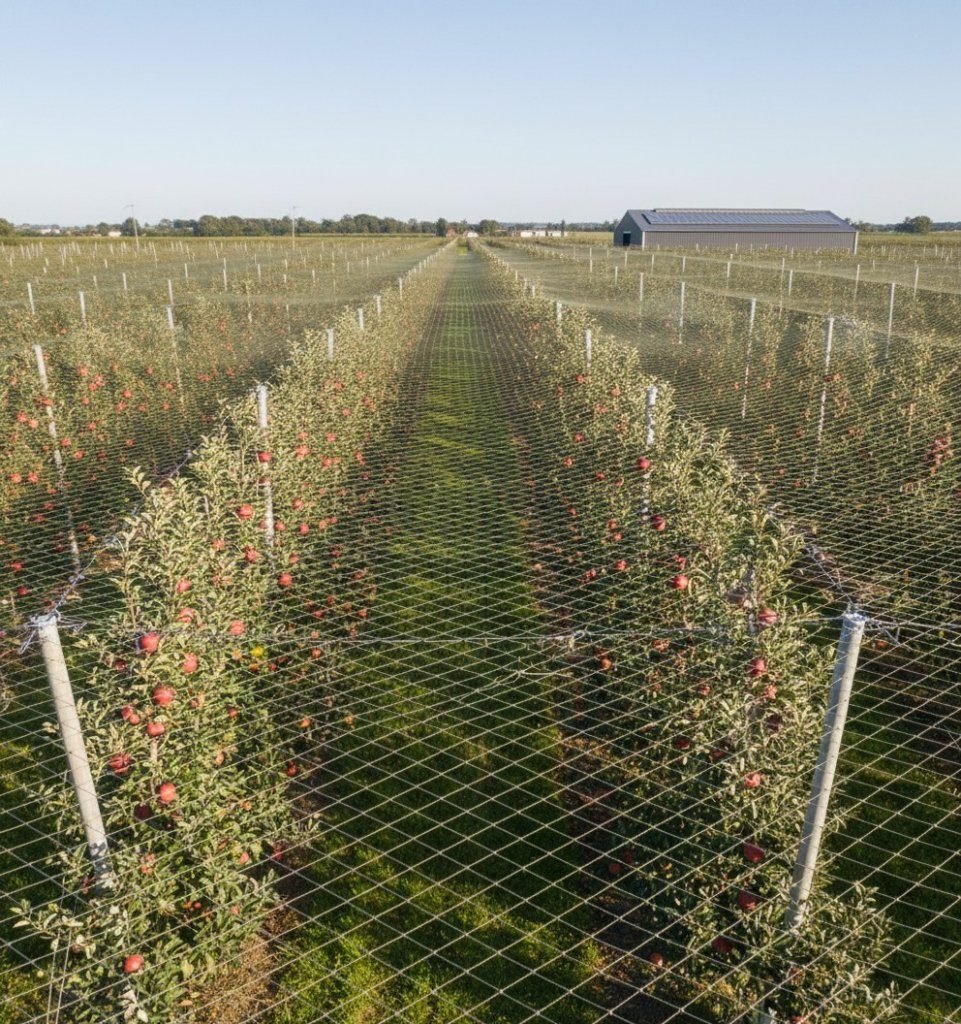
Bird netting is normally made from high-tenacity polyethylene or polypropylene fibre with a fine mesh and a robust structure. It keeps out birds of all sizes and withstands wind and rain without failing. Mist nets, by contrast, are flimsy, damage easily and can injure birds unnecessarily — at odds with what environmental protection and animal welfare now require.
Mist nets are prohibited in Taiwan
Under the Wildlife Conservation Act and its subordinate regulations, capturing, killing, injuring or selling wild birds is strictly prohibited in Taiwan. Those laws protect both the country’s ecological resources and the birds’ habitat. Individuals and companies should therefore choose non-injurious methods such as netting.
Environmental performance
Compared with mist nets and other traditional methods, bird netting has clear environmental advantages: it does not harm birds and does not pollute. Its durability and long service life also reduce how often it needs replacing or maintaining, lowering total cost.
Where it is used
Netting is widely used in agriculture to protect orchards, vegetables and other crops, and equally in industry and municipal works — protecting roofs, facades and air-conditioning plant from birds and the droppings and nests that come with them.
In summary
Bird netting is a modern, environmentally sound and highly effective way of managing birds, and clearly preferable to traditional trapping. In a jurisdiction with strict wildlife protection law, it keeps you compliant while protecting crops and buildings — and lets people and wildlife coexist.