What Ukraine’s Road Protection Tells Us About the Reach of Protective Netting
Ukraine is installing anti-drone netting along roads, aiming to cover some 4,000 km by the end of 2026 — a case that widens where netting can be applied.
Drones have had a heavy effect on road travel, logistics, rescue operations and the safety of front-line communities during the war in Ukraine. Public reporting and official sources indicate that Ukraine has installed anti-drone netting along certain roads and near the front as one measure to reduce the threat.
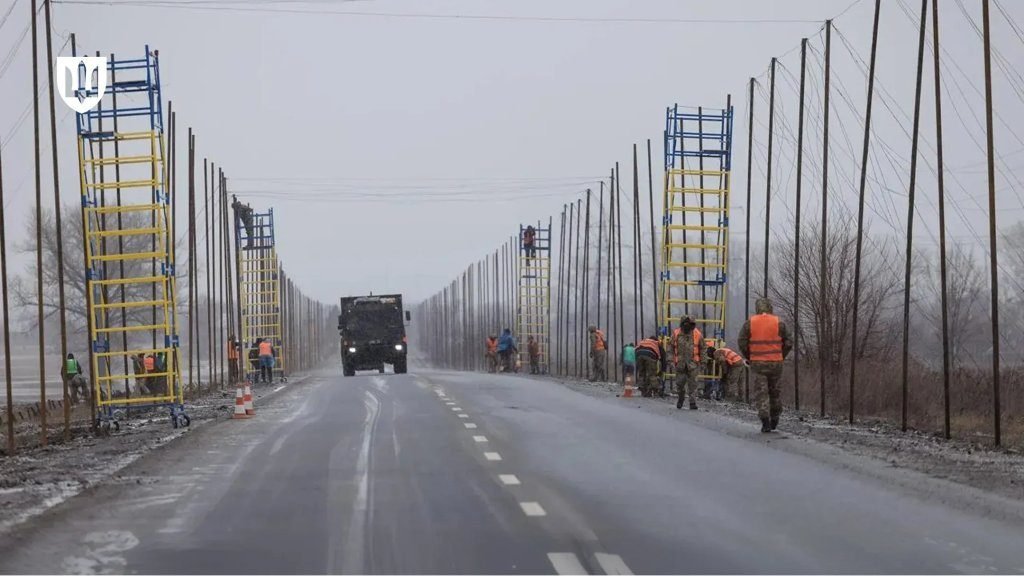
In February 2026 Ukraine’s Ministry of Defence said the country was accelerating construction of anti-drone protection along roads, with a plan for roughly 4,000 km of road to be protected by the end of 2026. The work is prioritised on roads supporting front-line logistics and access for communities near the contact line.
Photographs and reporting show the netting installed along the sides of roads or above them, forming something like a protected corridor. It is not a substitute for air defence; it adds a physical barrier on high-risk routes, making it harder for small drones to reach vehicles, people or facilities directly. Reuters has reported that such netting works by blocking drones or fouling their rotors, and its picture desk has documented anti-drone netting on front-line roads and city streets across the country — one of several measures in use locally.
1. It covers area
One characteristic of protective netting is that it extends: along a road, a walkway, a construction zone, a storage yard, an entrance or any defined area. Compared with point protection, netting can screen or block a large area shaped to the site — which gives it real flexibility for roads, logistics routes and outdoor facilities.
2. It has to be planned around the site
The Ukrainian case shows that installation depends on far more than the net itself: support structure, fixing method, road width, environment and future maintenance all matter. Specification, material, mesh, tensile strength and weathering should be assessed against the actual conditions.
3. The range of applications is widening
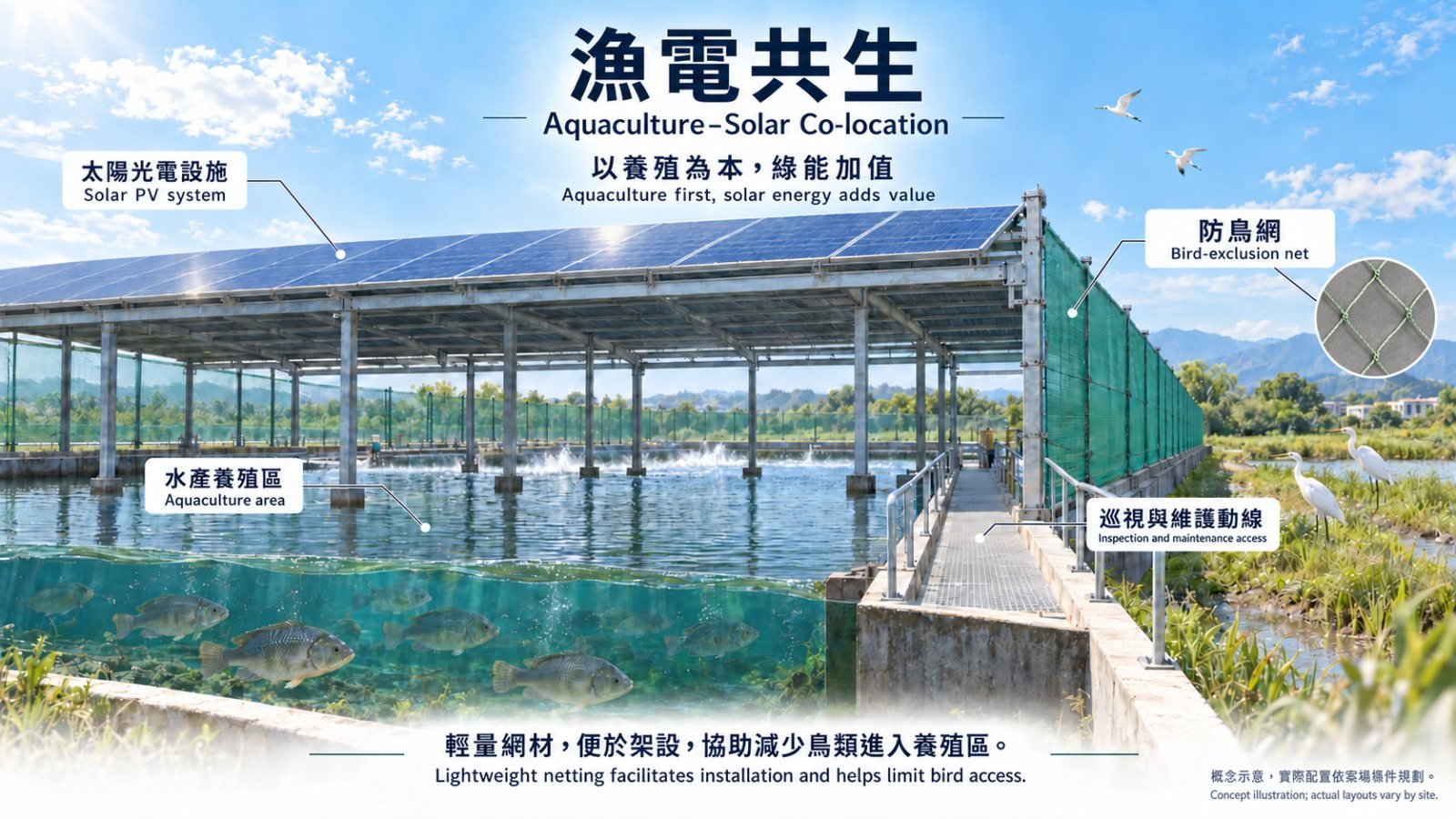
Protective netting has traditionally been used for bird control, fall arrest, sports venues, agriculture, fisheries, site safety and general separation. The Ukrainian case shows netting materials being applied to road travel and public safety in unusual conditions. That does not mean every net performs the same way — it means netting materials are worth reassessing for settings people had not considered.
Material and specification still need care
Public sources describe this work simply as “anti-drone nets” without publishing full details of material, twine diameter, mesh, tensile strength or construction, so it would be wrong to equate it with monofilament netting, fishing net, agricultural net or any single specification. Whether a net suits a given site depends on:
- Weather resistance of the material
- UV and ageing resistance
- Tensile strength
- Mesh size
- Twine diameter and weight
- Fixing method
- Support structure
- Site wind, sun exposure and required service life
- Maintenance and replacement needs
Our view
ICHOU has long manufactured netting of many kinds — bird netting, fall-arrest and safety netting, sports netting, custom protective netting and nets for special applications. The Ukrainian case illustrates that protective netting is not a single-purpose product but a material to be specified per site. Any unusual protection requirement should come back to the basics: purpose, dimensions, environment, material, tensile requirement, weathering and fixing method.
Case photographs
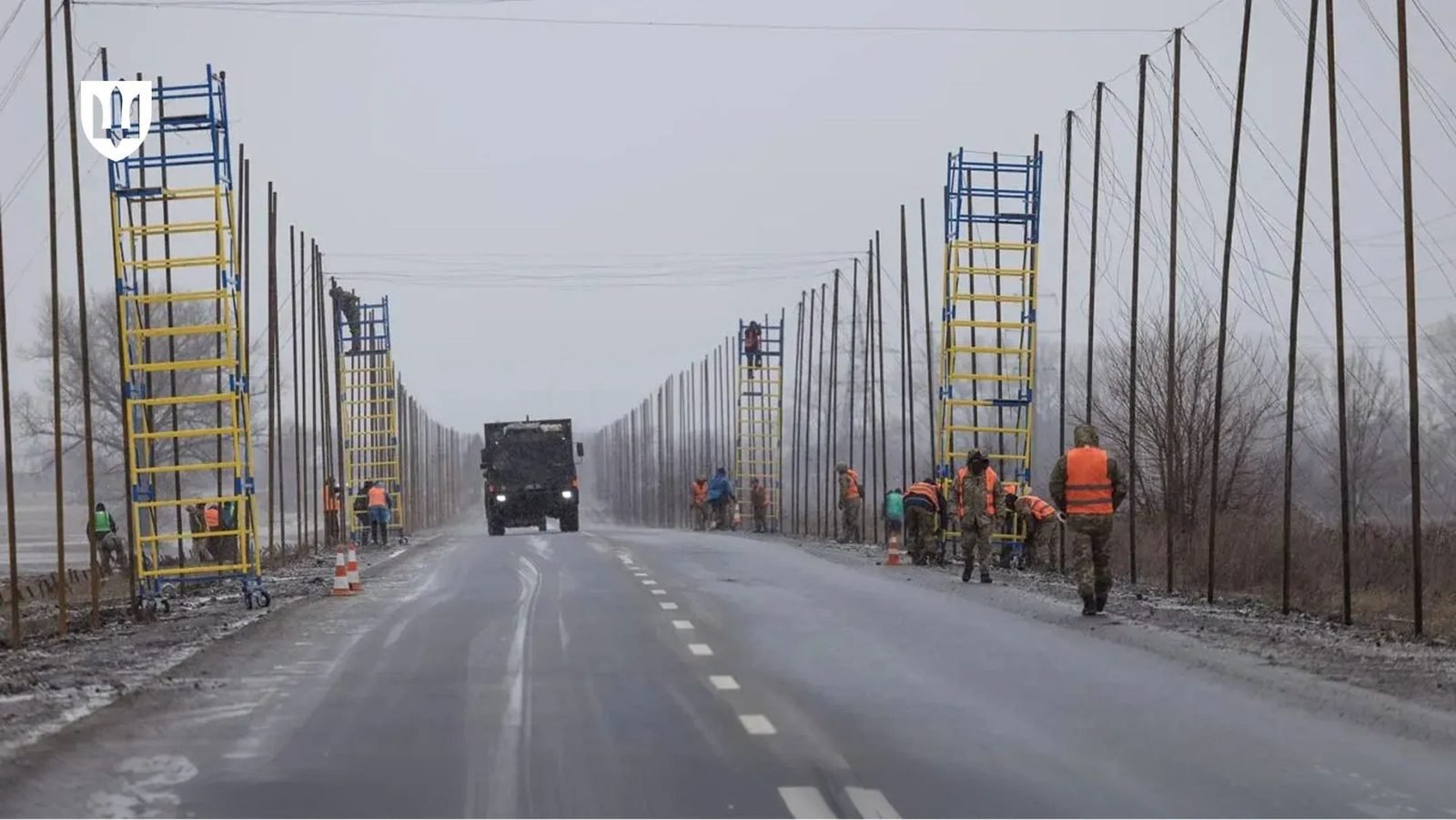
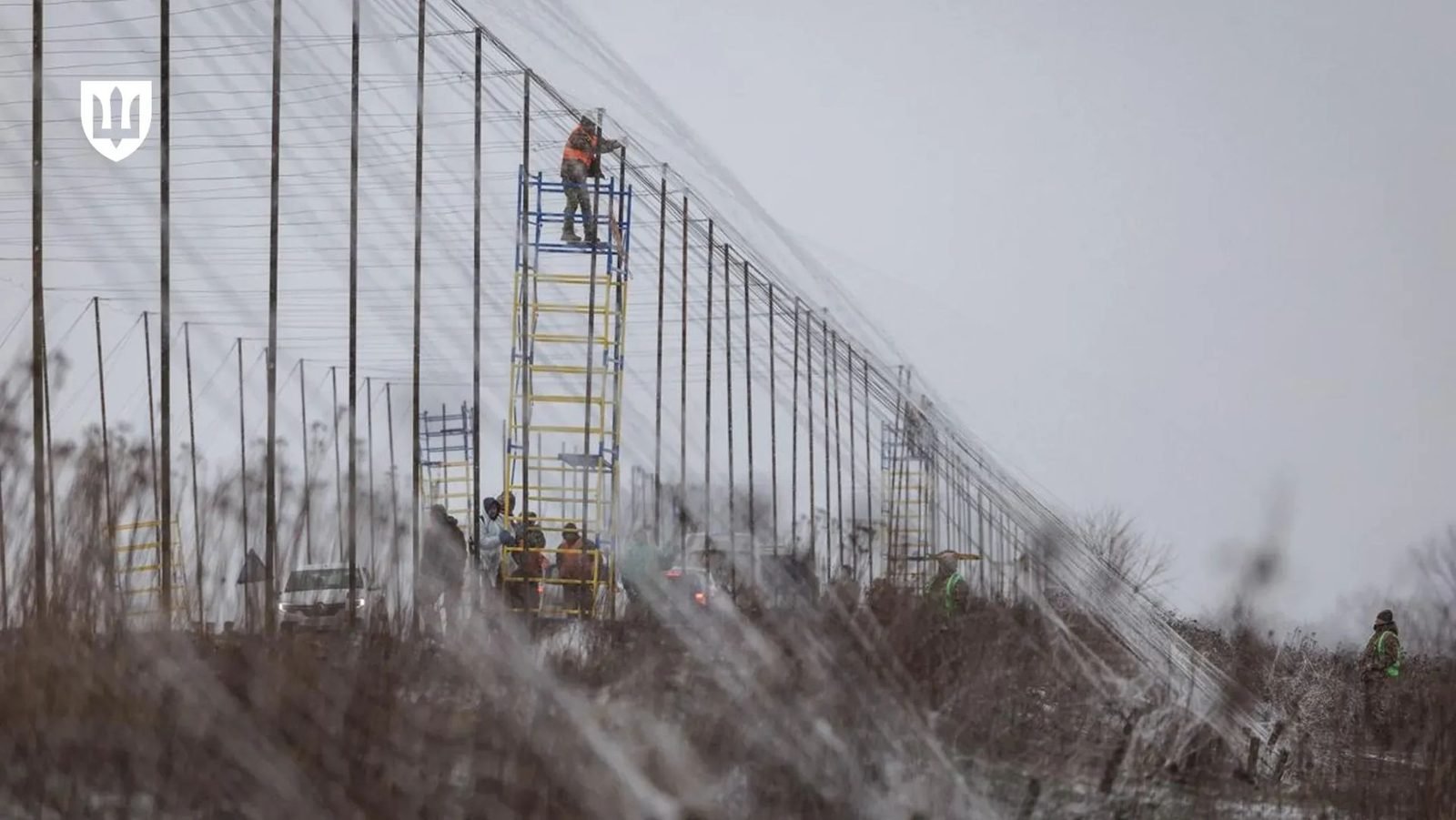
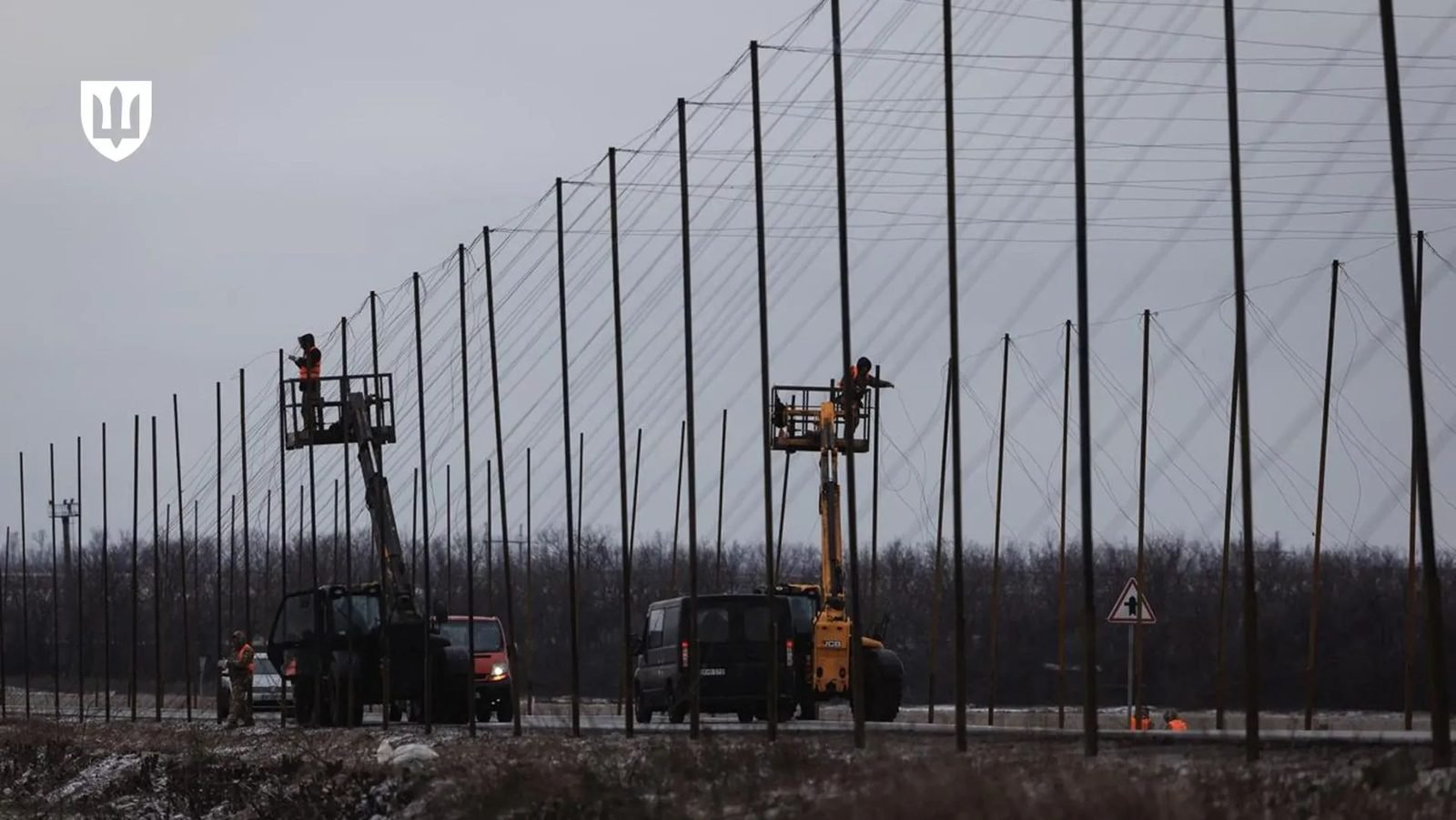
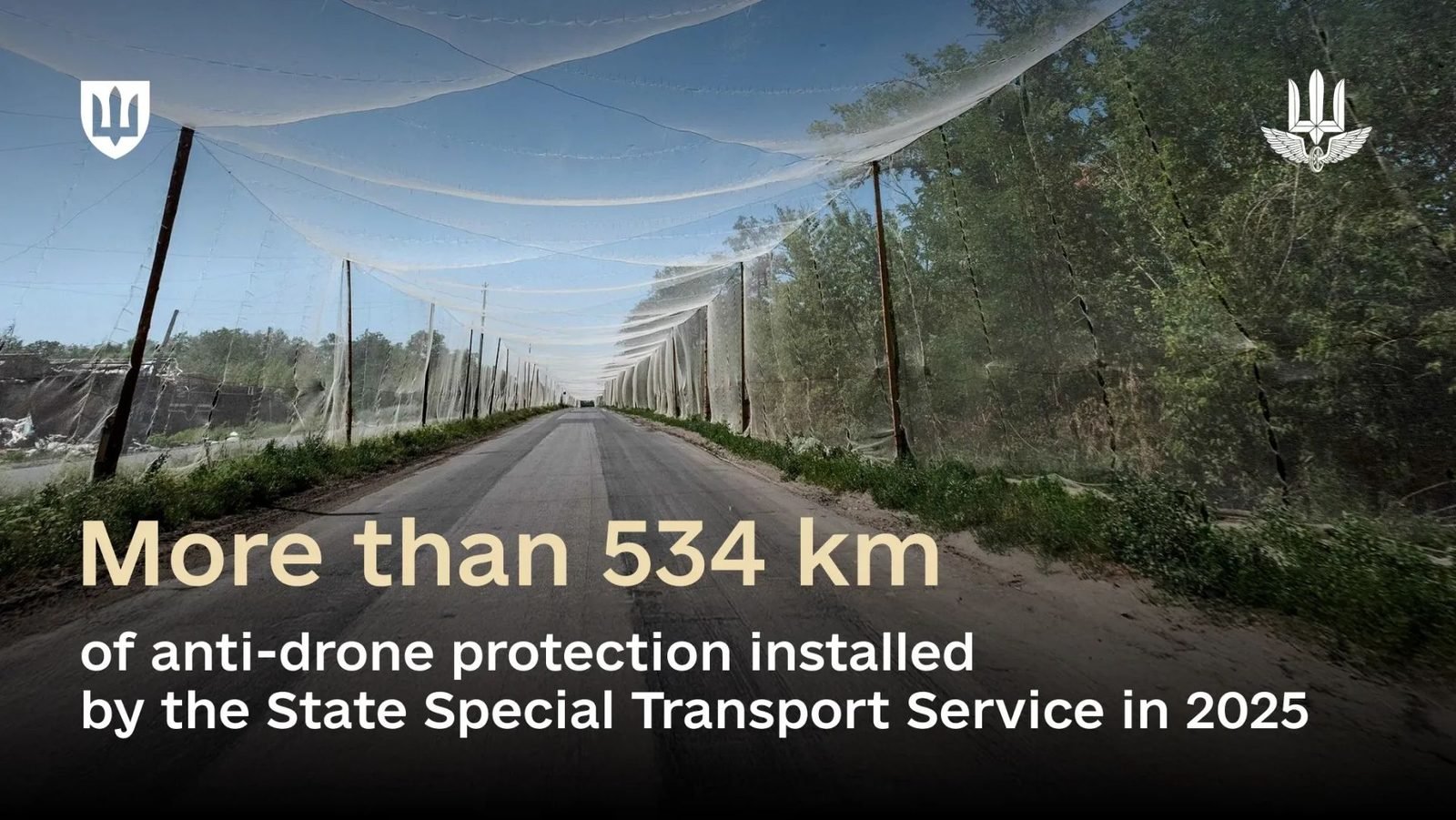
Different settings place different demands on the net, and real-world performance depends on the installation, the structural design and the environment. Only planning against the actual site produces protection that works reliably.
In closing
The Ukrainian roads case has made people look again at what netting materials can do in unusual environments. Beyond the traditional uses — bird control, fall arrest, sports venues and site safety — protective netting is worth considering for roads, walkways, outdoor facilities and other specific areas. ICHOU will continue to invest in high-tenacity, weather-resistant and made-to-order netting, helping customers specify the right protection for their site.
Photographs: Ministry of Defence of Ukraine / State Special Transport Service, licensed under the Creative Commons Attribution 4.0 International License. Sources: Ministry of Defence of Ukraine, “Ukraine to equip another 4,000 km of roads with anti-drone protection by year’s end” and “The State Special Transport Service set up more than 534 km of anti-drone protection in 2025”.
Further sources: Reuters, “Ukraine to cover 4,000 km of roads with anti-drone nets by year end, minister says”; Reuters Pictures, “Under the canopy of drone nets covering Ukraine’s front lines”.
Disclaimer: the Ukrainian examples cited here illustrate an international trend in protective netting and public safety. We make no claim that our products provide military-grade anti-drone capability; actual performance depends on site conditions, net specification, support structure, fixing method and testing.