Understanding Aquavoltaics | Integrating Aquaculture and Renewable Energy with Site Protection Planning
Aquaculture at the Core — Integrating Renewable Energy andSite Protection to Explore New Possibilities in Aquavoltaics.
As renewable energy continues to develop, how to make efficient use of land while preserving existing industries has become an increasingly important issue. Aquavoltaics combines aquaculture with solar photovoltaic systems, allowing the same site to support both aquatic production and renewable energy generation while maintaining aquaculture as the primary function.
For aquaculture operators, aquavoltaics is not simply about adding solar panels to existing fish ponds. It also requires careful consideration of how photovoltaic facilities can work together with daily aquaculture operations. From initial planning to long-term management, the needs of aquaculture production should remain at the center of the overall design so that farming and power generation can operate together effectively.
What Is Aquavoltaics?
Aquavoltaics refers to the installation of solar photovoltaic systems within aquaculture sites according to local site conditions and farming requirements, allowing aquatic production and renewable energy generation to take place within the same area.
The core concept is to maintain the original aquaculture function while creating additional value through renewable energy generation.
When evaluating an aquavoltaic site, factors such as sunlight and power generation efficiency are important, but aquaculture species, water conditions, facility layout, and daily operational requirements must also be considered.
Because farming methods and environmental conditions vary from site to site, solar installations can also affect sunlight distribution and how the available space is used. Early collaboration between aquaculture operators and engineering teams can help ensure that facility layouts are better suited to actual on-site operations.
What On-Site Requirements Should Be Considered?
A well-planned aquavoltaic site must balance equipment installation with long-term aquaculture management.
Maintaining a suitable aquaculture environment is one of the primary considerations. The position and shading effect of solar facilities should be evaluated according to the cultivated species and farming methods. Water quality, water temperature, and the growth conditions of aquatic organisms should also be continuously monitored.
Working space and operational routes are equally important. Adequate access should be maintained for feeding, pond inspection, harvesting, equipment maintenance, and personnel movement, allowing newly installed facilities to integrate smoothly with existing workflows.
In addition, site perimeter protection and maintenance are also part of overall site management. Appropriate protective measures around open areas and potential external sources of disturbance can help improve the overall aquaculture environment.
Fish Ponds and Birds Sharing the Same Water Environment
Fish ponds are not only aquaculture production areas but also natural feeding and activity grounds for many waterbirds.
Common fish-eating birds found around fish ponds in Taiwan include Black-crowned Night Herons, Little Egrets, Great Egrets, and Grey Herons. In some regions, cormorants may also appear during the autumn and winter seasons.
The actual species and number of birds present may vary depending on location, season, water depth, and farming methods.
Black-crowned Night Herons are often active from dusk through the night. Egrets and herons commonly forage along pond edges and in shallow water, while cormorants are skilled diving birds capable of catching fish underwater.
Because different bird species use different feeding methods, the protective requirements of aquaculture sites may also vary.
Fish ponds have both production and ecological value. Bird protection planning should therefore focus on areas that require protection, helping reduce the opportunity for birds to enter and prey on farmed fish while also minimizing the risk of birds becoming entangled or injured.
The Application of Bird Netting in Aquavoltaic Sites
Even when photovoltaic structures are installed above aquaculture ponds, openings may remain along the sides and around the perimeter of the site.
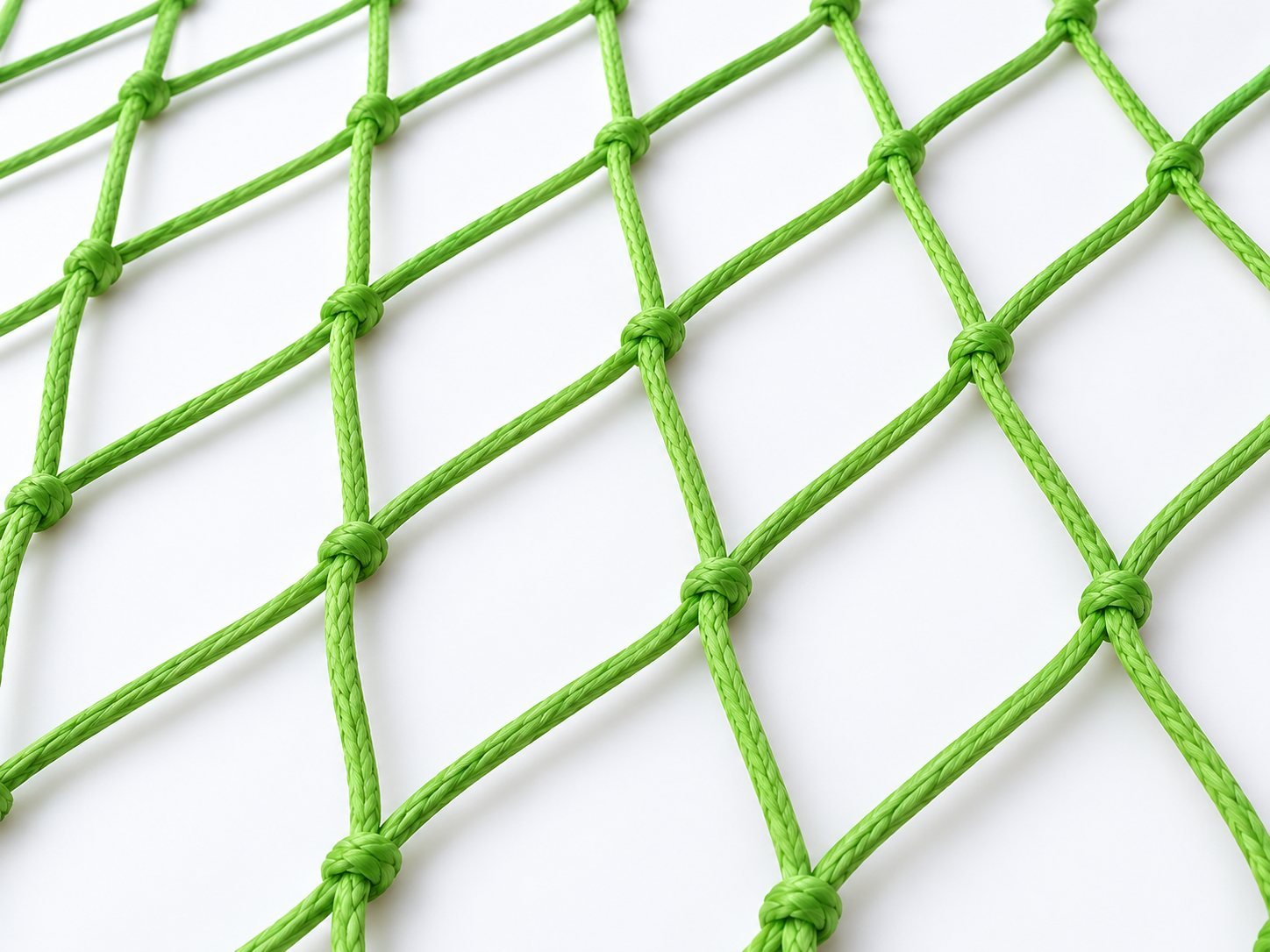
Depending on actual site requirements, bird netting can be installed to create a physical barrier around designated areas and help reduce the likelihood of birds entering aquaculture zones.
When properly planned and installed, bird netting can help reduce the risk of birds preying on fingerlings or cultivated fish, minimize disturbances to daily aquaculture operations, and reduce the need for repeated manual bird-deterrent measures.
The selection of netting should take into consideration factors such as local bird species, installation location, ventilation requirements, and supporting structures.
During installation, attention should also be given to net joints, lower edges, entrances, and access points. Proper net tension should be maintained while ensuring sufficient space for personnel and equipment movement.
Regular inspection of the net surface and fixing points is also important for maintaining long-term protective performance.
Ichou Netting — Applying Netting Expertise to Site Protection
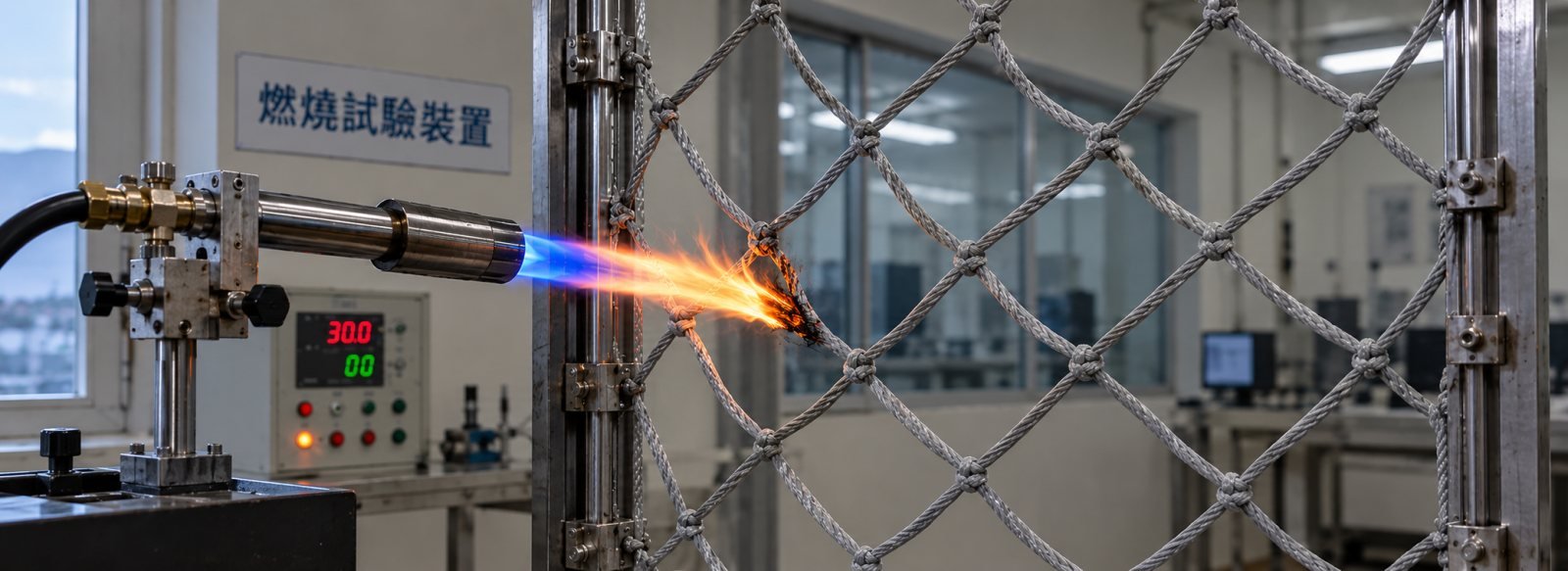
Ichou Netting Industrial Co., Ltd. has participated in aquavoltaic projects by supplying customized bird netting materials based on specific site requirements.
Our bird netting is lightweight, making it easier to transport, unfold, position, and install. Its flexible structure also allows it to adapt to different columns, frames, and openings.
The open-mesh structure helps maintain ventilation and visibility, making bird netting a practical component of aquaculture site protection planning.
The long-term success of aquavoltaic projects depends on the combined efforts of aquaculture experience, engineering design, and daily site management.