Feral Pigeons: Impact and Control
Why urban pigeon numbers keep rising, the problems that follow, and what actually works: exclusion, removing food sources and better management.
About feral pigeons
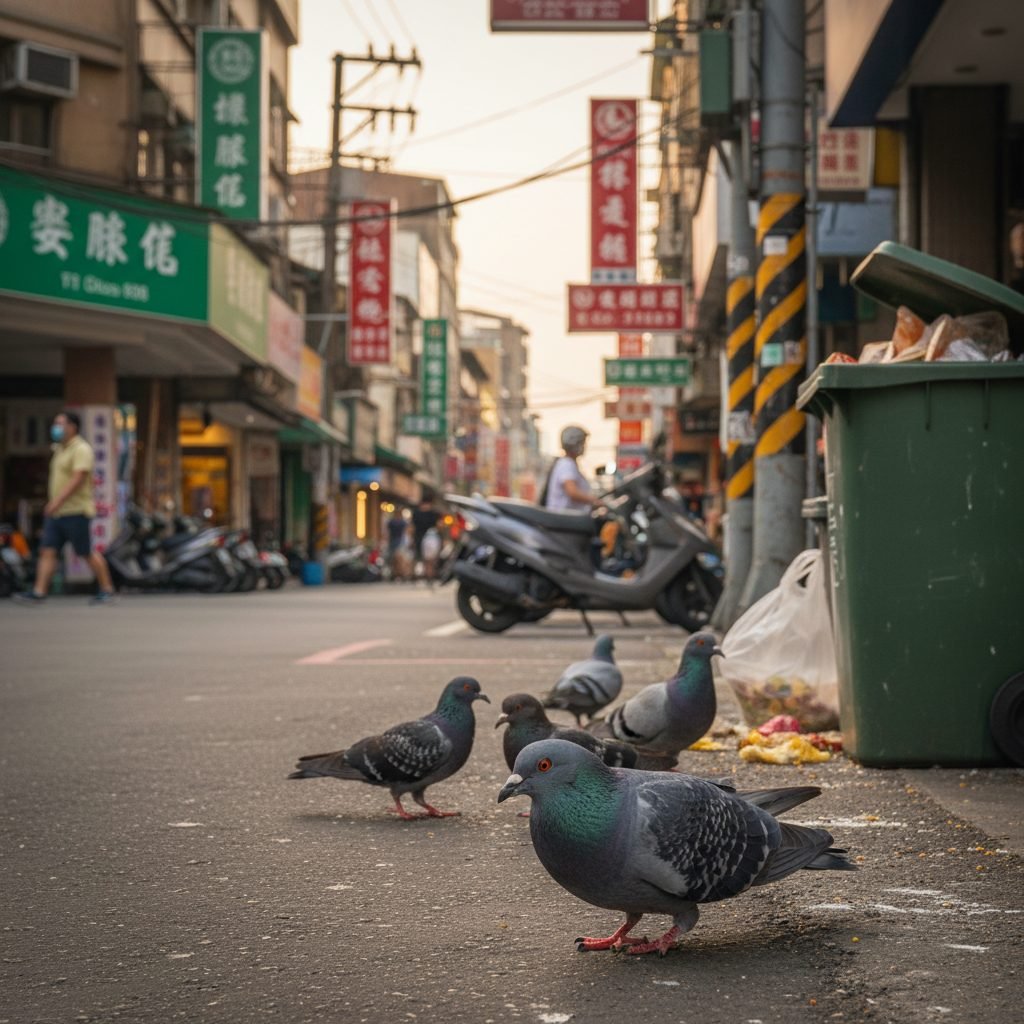
Feral pigeons have become permanent neighbours in cities, and their numbers keep growing — bringing hygiene and health challenges with them. Controlling them effectively means understanding where they come from, how fast they breed and which measures actually work.
Why numbers keep rising
Several factors drive the growth of urban pigeon populations:
- Racing pigeons that never return
- Thousands of birds are released each year in Taiwan for racing, and very few are recovered. Many of those that fail to return become feral, looking for shelter and food in the city.
- Cities suit them
- The rock dove, ancestor of the feral pigeon, nests on cliffs. Building facades and air-conditioning ledges reproduce that habitat closely enough for pigeons to breed in large numbers.
- High reproductive rate
- Feral pigeons breed four to six times a year, two eggs at a time. Where food is plentiful, a population expands quickly.
The problems they cause
Growing numbers affect not only how a city looks but also public health.
- Contamination: droppings foul buildings, streets and public facilities, and can corrode building materials.
- Health risk: pigeons may carry more than 70 transmissible diseases including chlamydiosis, meningitis and fungal infections; pigeon mites can also cause skin allergies and fever.
- Difficult clean-up: nests on air-conditioning units and balconies make cleaning far harder and are a nuisance for residents.
Diseases associated with droppings
| Disease | Pathogen | Transmission | Effect on people |
|---|---|---|---|
| Cryptococcosis | Cryptococcus neoformans | Inhaling spores from droppings | Lung infection and meningitis; can be fatal, especially for the immunocompromised |
| Histoplasmosis | Histoplasma capsulatum | Inhaling spores from droppings | Respiratory infection; lung damage in severe cases |
| Candidiasis | Candida spp. | Contact with contaminated material | Affects skin, mouth and genitals; organs in severe cases |
| Salmonellosis | Salmonella spp. | Contact with contaminated material | Gastroenteritis, diarrhoea, vomiting; sepsis in severe cases |
| E. coli infection | Escherichia coli | Contaminated food or water | Gastroenteritis and diarrhoea; kidney failure in severe cases |
Parasite- and insect-borne diseases
| Disease | Pathogen | Transmission | Effect on people |
|---|---|---|---|
| Pigeon mite infestation | Dermanyssus gallinae | Mites migrating from nests or roosts | Rash and itching; allergic reactions in severe cases |
| Q fever | Coxiella burnetii | Inhaling infected dropping particles | High fever, headache, muscle pain; pneumonia or endocarditis in severe cases |
| Tick-borne diseases | Bacteria or viruses carried by ticks | Tick bite | Lyme disease, fever, joint pain |
Viral infections
| Disease | Pathogen | Transmission | Effect on people |
|---|---|---|---|
| Avian influenza | H5N1, H7N9 and related viruses | Direct contact with infected birds; inhaling contaminated dust | High fever, pneumonia, breathing difficulty; can be fatal |
| Newcastle disease | Paramyxovirus | Contact with secretions from infected birds | Conjunctivitis, fever, influenza-like symptoms |
| West Nile virus | West Nile virus (WNV) | Bite from an infected mosquito | Fever, headache, muscle weakness; encephalitis in severe cases |
What works
- Physical exclusion
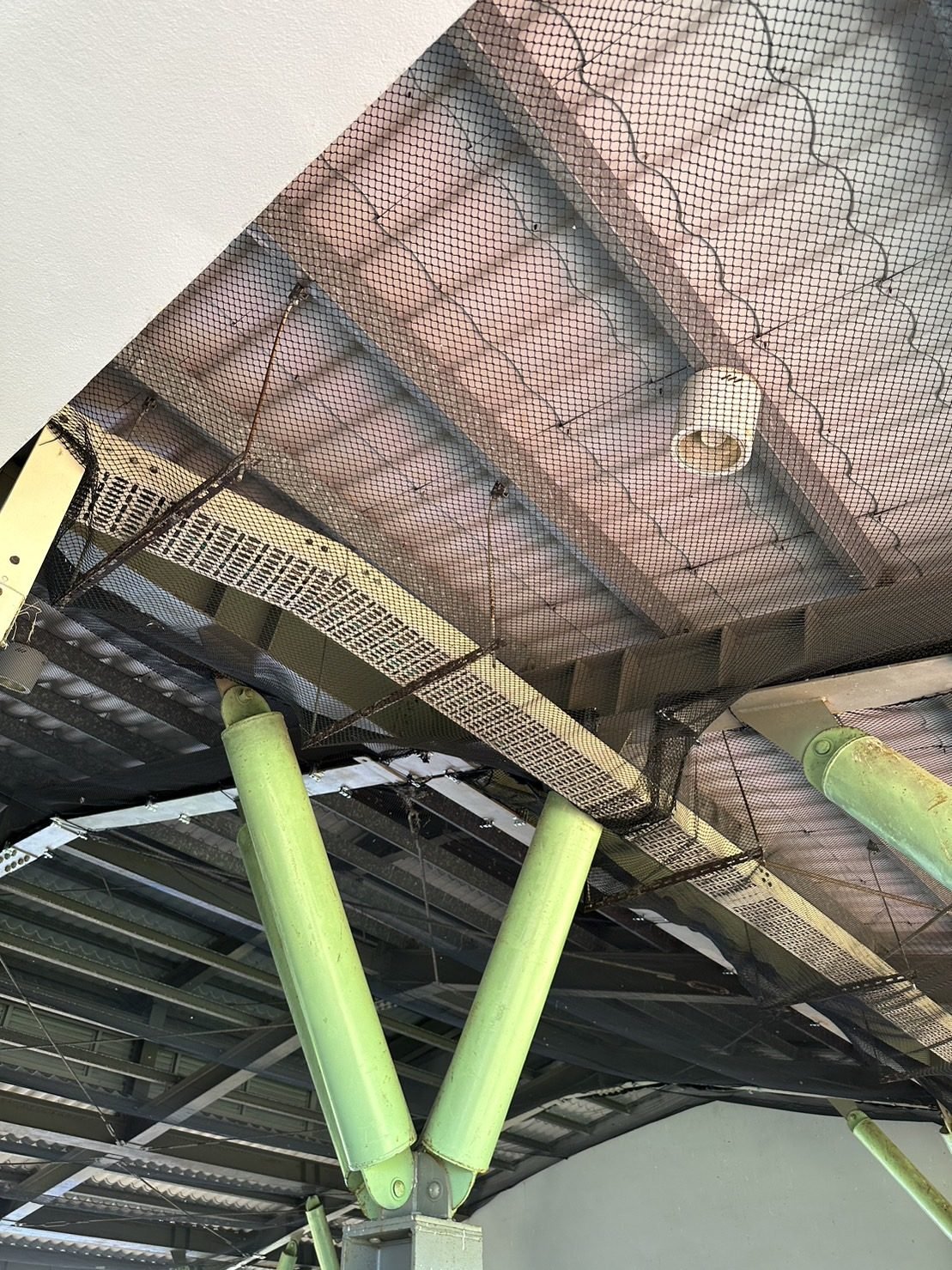
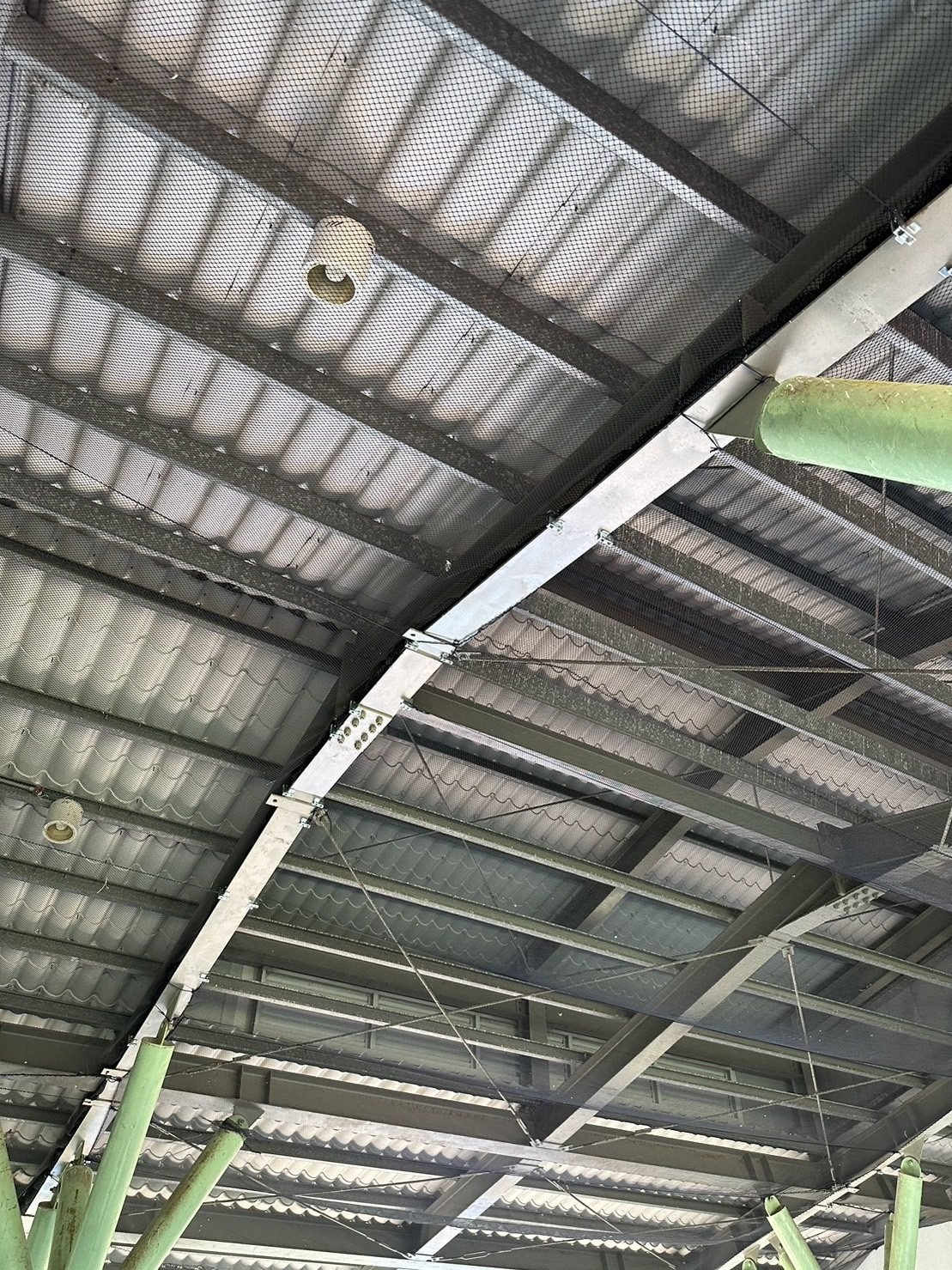
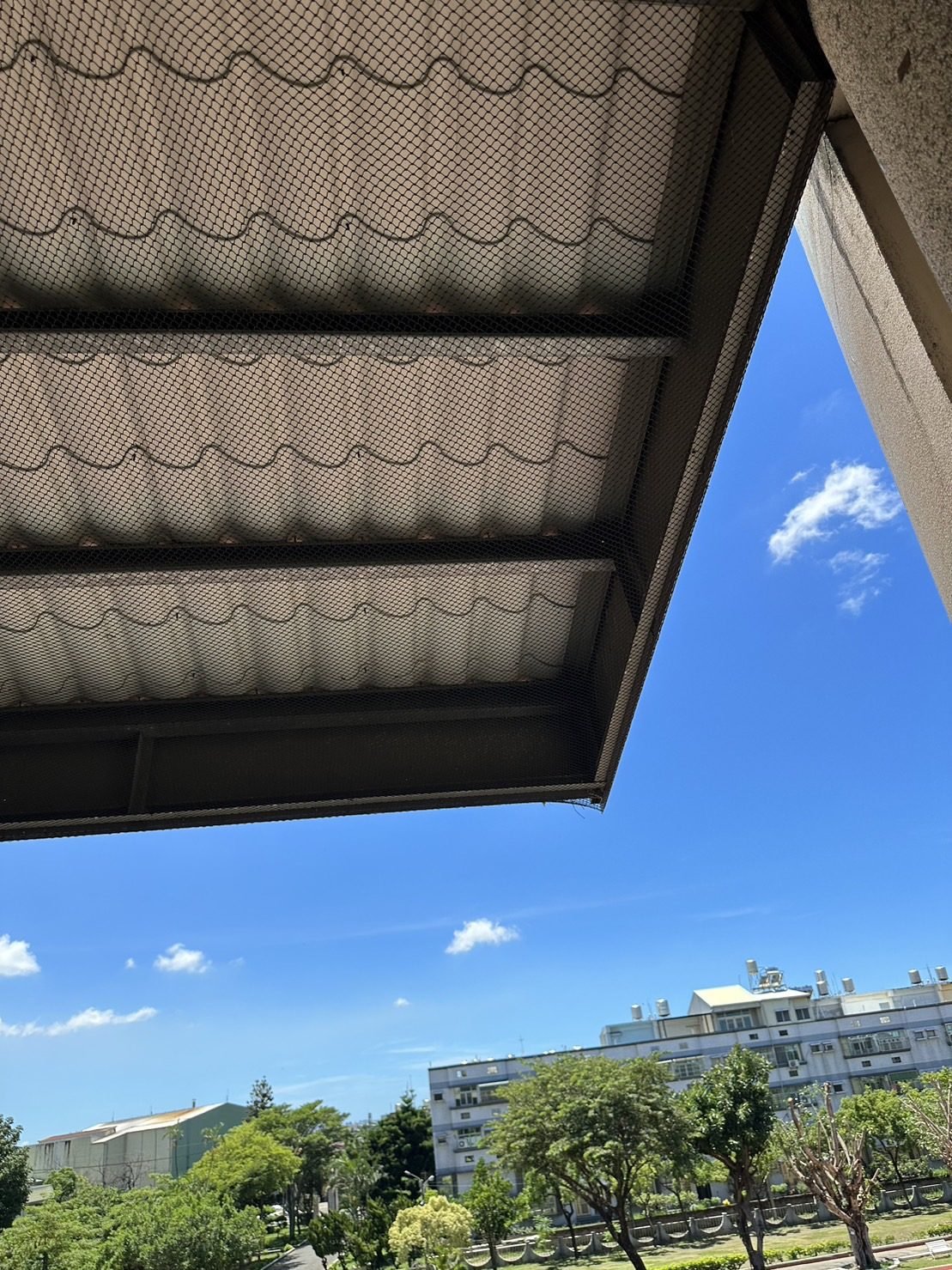
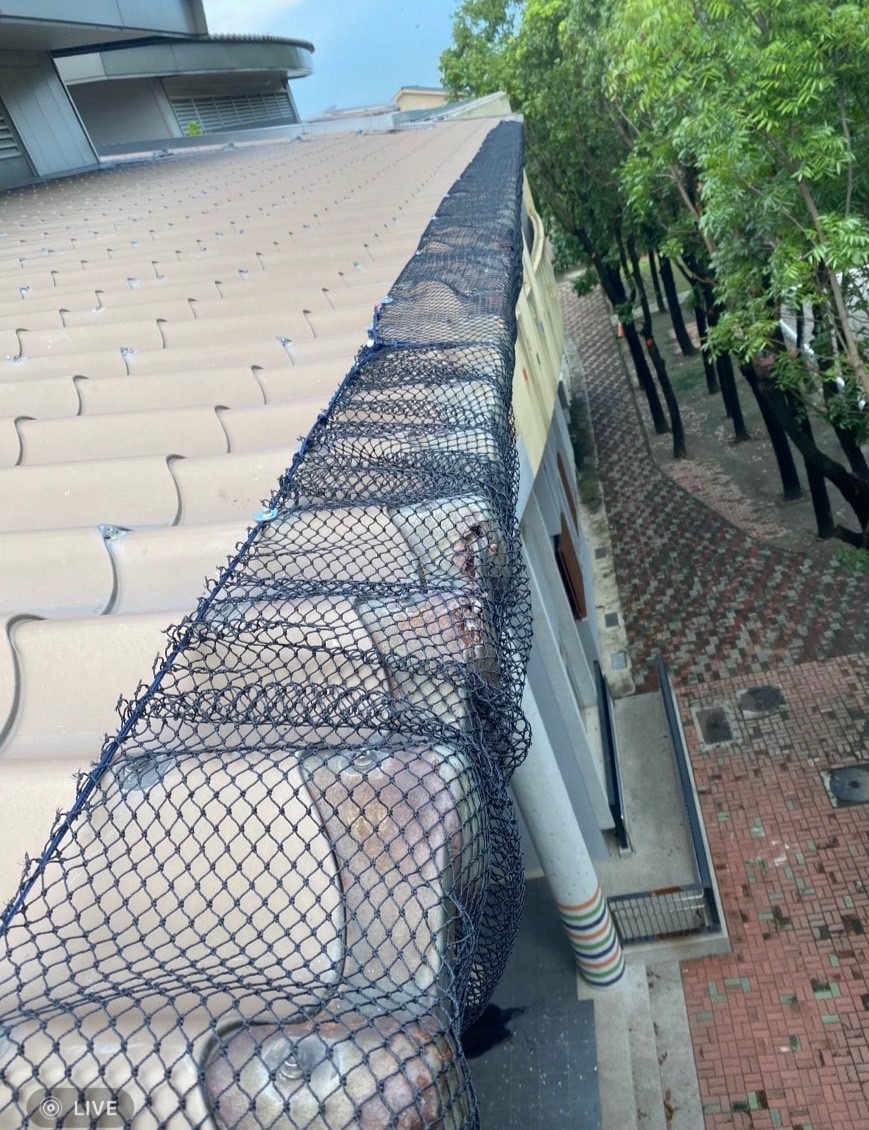
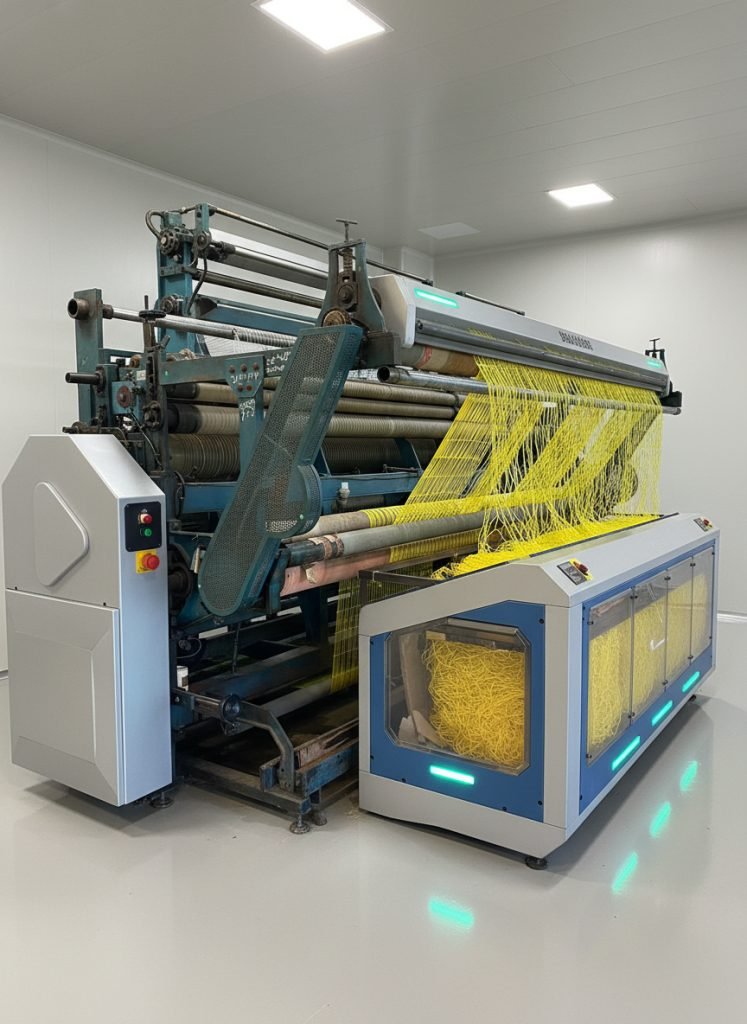
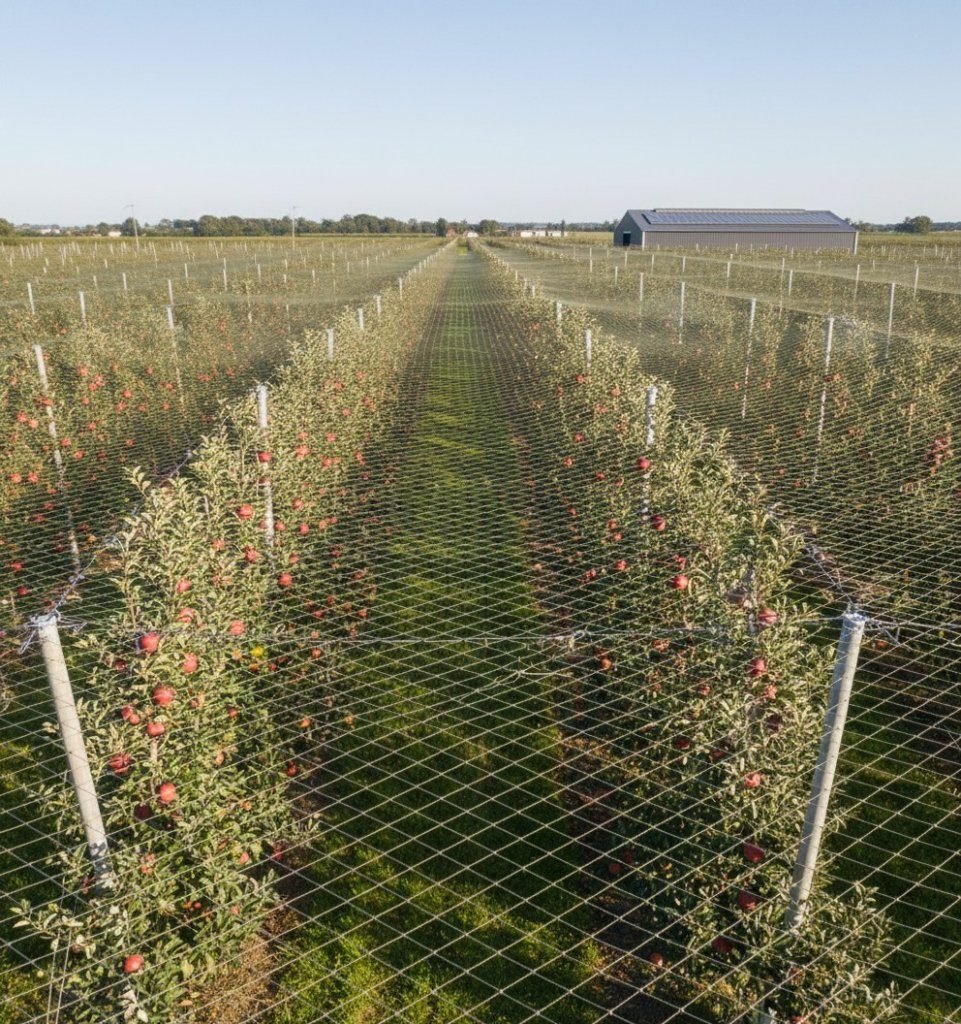
- Netting: fine bird netting on balconies and windows keeps pigeons out and stops them nesting. Spikes: on facades, window ledges and the tops of air-conditioning units, spikes remove the places they land.
- Remove the food source
- Some jurisdictions in Taiwan now prohibit feeding birds in parks, with fines for offenders. Not feeding feral pigeons is the simplest way to stop encouraging them.
- Fertility control and policy
- Some cities have trialled contraceptive feed, with limited results in Taiwan’s humid climate. Better management frameworks — including rules on retiring racing pigeons — would reduce the supply of feral birds at source.
Conclusion
Solving the urban pigeon problem takes residents, government and industry together: fewer food sources, proper exclusion hardware and sensible management. If you need effective bird netting or a broader control scheme, please get in touch.
Case study: Houying Elementary School, Xigang, Tainan