Stainless-Steel Bird Spikes for Balconies, Parapets and Railings
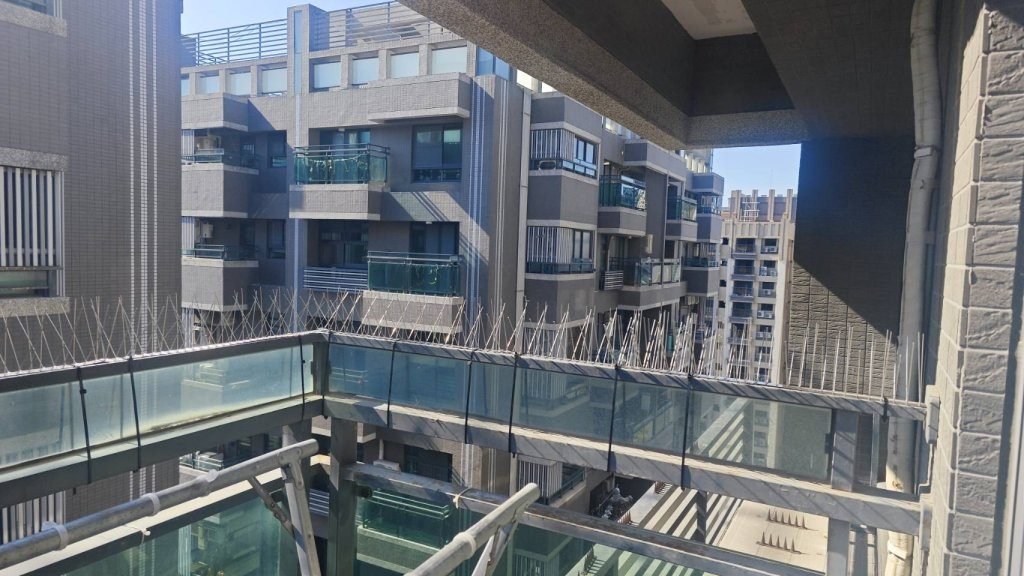
Stainless steel lets the spikes be finer and longer, cover more area, and resist embrittlement or sagging outdoors — covering the corners netting cannot reach.
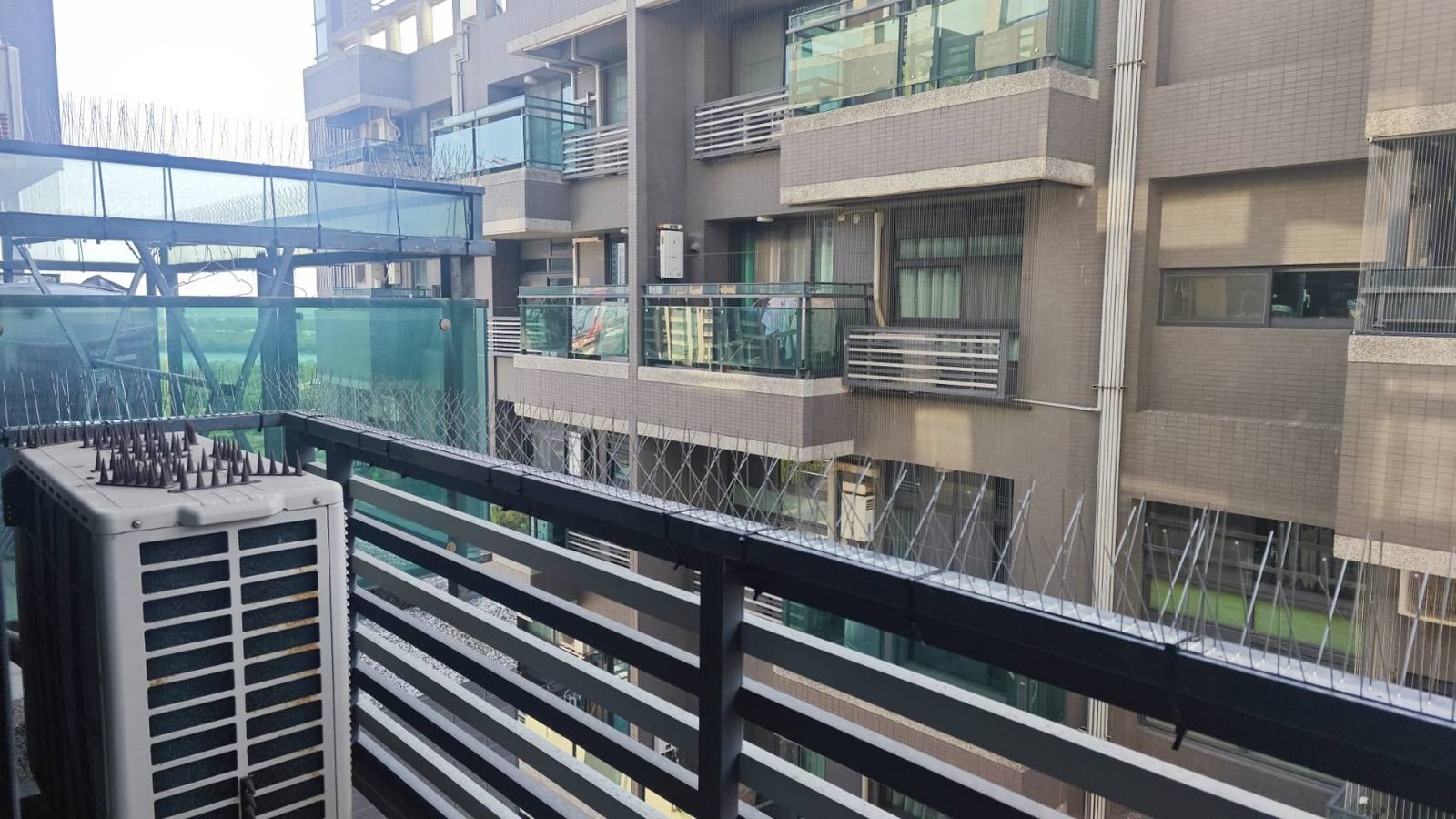
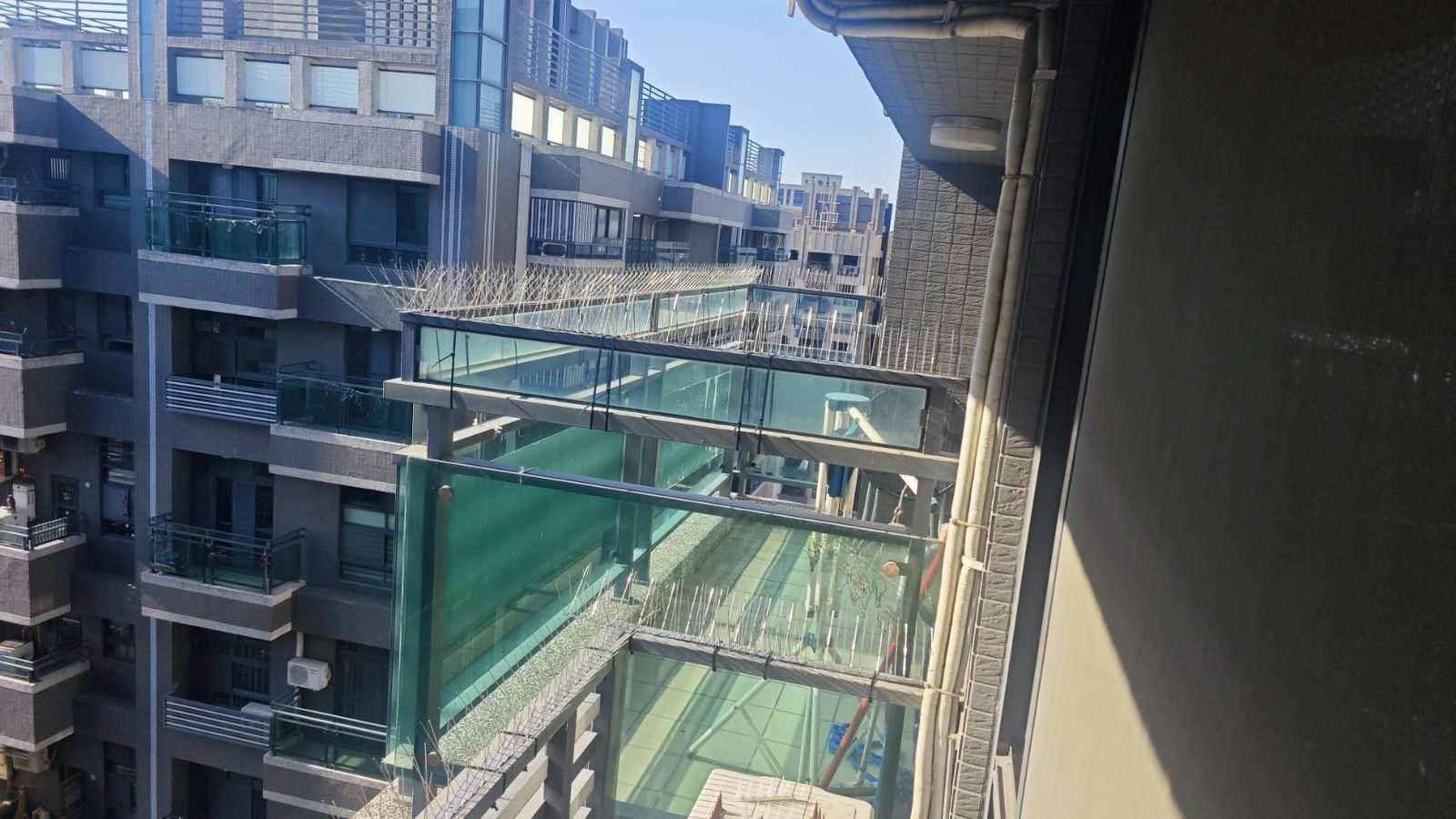
Pigeons and sparrows regularly perch, nest and foul around facades, balcony railings, parapets, air-conditioning platforms and skylight canopies. Beyond the mess, it affects the look of the building, the quality of life inside and the cost of cleaning and hygiene management. Choosing suitable, durable bird-control hardware is a real part of maintaining high-rise and public buildings.
ICHOU stainless-steel bird spikes stop birds landing or resting in a defined area. The point is not to injure birds: a dense array of fine, springy spikes simply removes any stable footing, so birds move on of their own accord — an effect that lasts.
The key difference: stainless steel — fine, durable, sag-resistant
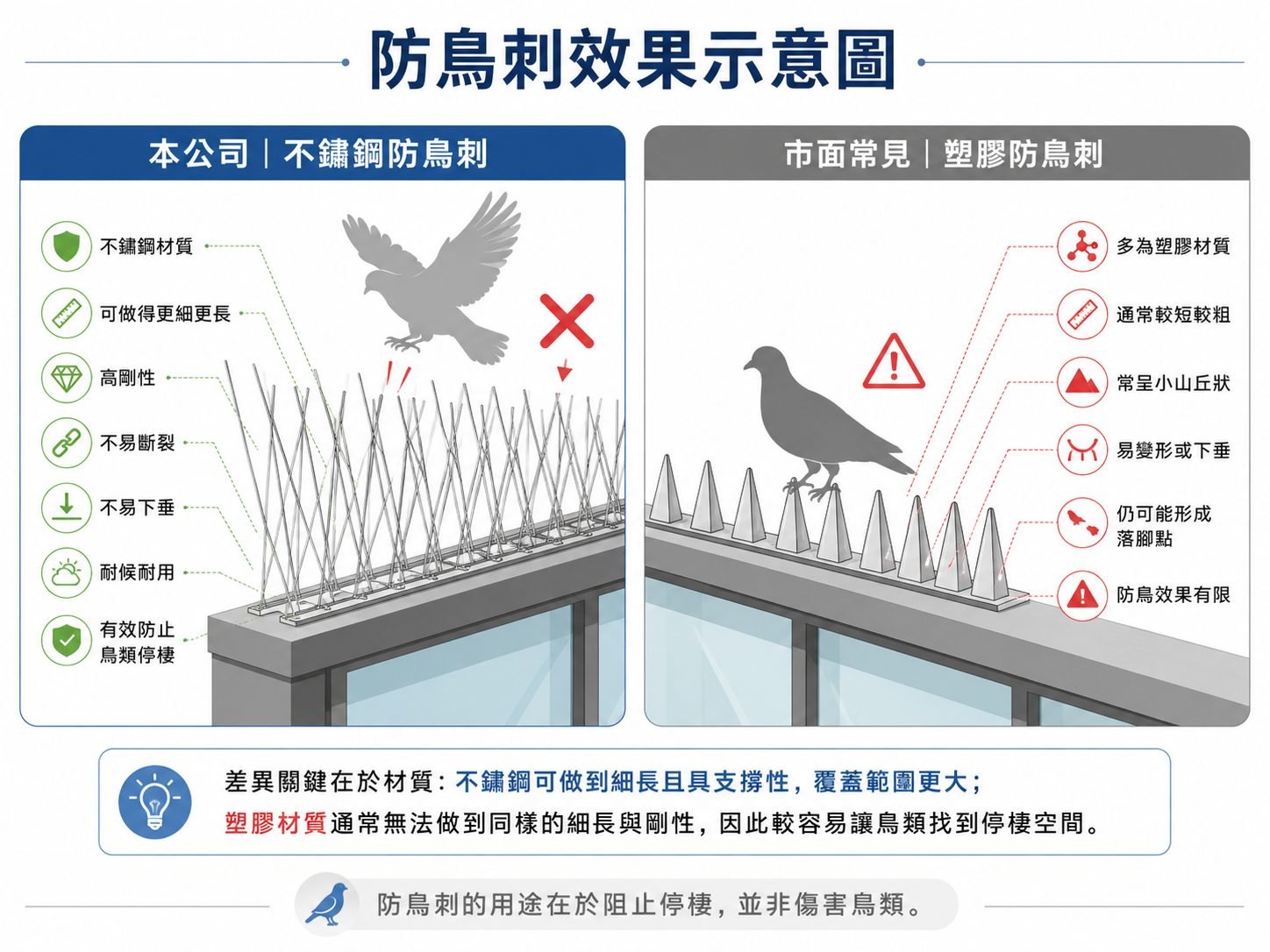
Most bird spikes on the market are plastic. Because of the material’s stiffness and weather resistance, plastic spikes cannot be made very fine or very long: made too long, they deform and sag under sun, ageing, wind load or the weight of birds, and eventually stop working.
Stainless steel is stronger and far more weather resistant, so our spikes can be finer and longer, covering a wider area. Installed outdoors in sun, wind and rain, they are much less likely to snap, embrittle or droop — well suited to balconies, railings and parapets where the protection must last.
Why plastic spikes often underperform
Plastic spikes are usually short and thick, or arranged in a low “mound”. They look spiky, but birds can still stand between the points — or use them as a platform.
Larger birds such as pigeons only need a wide enough or stable enough foothold to keep roosting. Spikes that are too short, too widely spaced, too soft or prone to falling over lose most of their effect.
Stainless steel versus plastic
| ICHOU stainless-steel spikes | Typical plastic spikes | |
|---|---|---|
| Material | Stainless steel | Plastic |
| Spike length | Can be made finer and longer | Usually shorter and thicker |
| Weather resistance | Resists sun and rain; does not embrittle easily | Ages quickly under prolonged sun |
| Effectiveness | Wide coverage, no stable footing | Gaps birds can perch in |
| Appearance | Fine lines, visually light | Noticeably bulky |
| Service life | Longer | Deforms, snaps or sags |
Where they are installed
Stainless-steel bird spikes suit balcony railings, parapets, window ledges, air-conditioning platforms, the edges of skylight canopies, the tops of signage, eaves, projecting beams and columns — and anywhere else birds tend to perch.
The fixing method is adapted to the site: screws, cable ties, mounting bases or a purpose-made adhesive hold the spikes firmly in place across the area to be protected.
In closing
What matters is not simply whether spikes have been installed, but their material, length, density, angle and durability. Plastic spikes that age, deform or sag may look effective at first and gradually stop working.
ICHOU stainless-steel bird spikes are made from durable metal: fine, resistant to breaking and sagging, and able to take the weather outdoors. They cut down perching and help buildings and communities stay clean, safe and presentable.